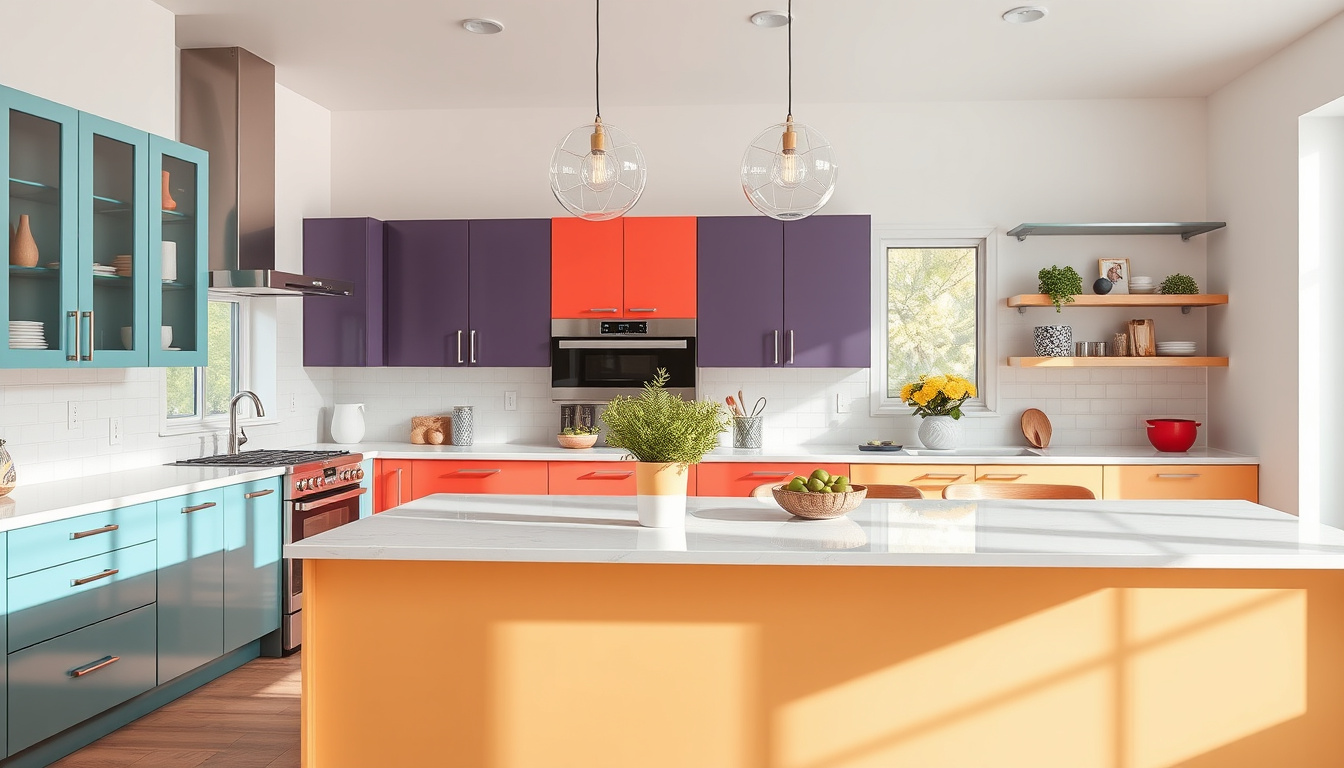
Revamping your kitchen can be a rewarding yet overwhelming project. Among various options, cabinet refacing stands out as a stylish, budget-friendly solution that breathes new life into your space without the hefty cost of a full remodel. This guide will walk you through what cabinet refacing entails, its benefits and drawbacks, and whether it’s the right choice for your home.

What is Cabinet Refacing?
Cabinet refacing involves updating the visible surfaces of your existing cabinets while leaving the basic structure in place. This process typically includes:
- Replacing Cabinet Doors and Drawer Fronts: New doors and drawer fronts are installed, enhancing the overall appearance.
- Applying Veneer: A fresh layer of veneer is added to the cabinet boxes for a cohesive look.
- Updating Hardware: New handles, knobs, and hinges are often added to complete the transformation.
This approach allows homeowners to achieve a modern look without the expense and hassle of completely new cabinetry.
Why Consider Cabinet Refacing?
Cost-Effective
Refacing cabinets can be significantly less expensive than full cabinet replacement. On average, it can save homeowners 30 to 50% off the cost associated with new cabinetry. Expect to pay between $100 to $200 per linear foot for laminate finishes, escalating up to $455 for wood veneers.
Eco-Friendly
Cabinet refacing is a more sustainable option compared to full replacements. It minimizes waste by utilizing the original cabinet structure and helps reduce environmental impact.
Quick and Convenient
Typically, a refacing project can be completed in just a few days, which is considerably less time than a complete remodel that may take weeks.
Design Flexibility
Homeowners have a multitude of styles, colors, and finishes to choose from, allowing for a personalized look that reflects individual taste.
When to Choose Cabinet Refacing
Cabinet refacing is ideal when:
- Current Cabinets are Sturdy: Ensure your existing cabinetry is made of durable materials like plywood or MDF, and is in good condition.
- Satisfied with Layout: If your kitchen layout meets your needs, refacing can enhance the aesthetics without modifying the functionality.
- Desire a Quick Refresh: If you simply want to update the look of your kitchen without major structural changes, refacing is the perfect solution.
However, if your cabinets have significant damage or you are looking for a different layout or extra storage, consider replacing your cabinets entirely.
The Process of Cabinet Refacing
Step-by-Step Guide
- Remove Existing Hardware: Start by detaching knobs, handles, and hinges from the doors and drawers.
- Take Out Doors and Drawers: Remove the entire doors and drawer fronts.
- Reface Cabinet Boxes: Apply wood veneer or rigid thermofoil to the cabinet boxes. This can be done by professionals or with an all-in-one DIY veneer kit.
- Reapply/Replace Hardware: You can reuse the old hinges if they are in good shape; otherwise, add new hinges.
- Install New Doors and Drawer Fronts: Fit the new doors and fronts onto the existing frames.
- Add New Fixtures: Finish the project by installing new handles and knobs to enhance the new look.
DIY vs. Hiring a Professional
While some homeowners opt for the DIY route, cabinet refacing typically requires specific skills, especially when it comes to applying veneer. Proper installation is critical to avoid peeling and ensure longevity. If you lack experience or tools, hiring a professional may be the best choice to ensure a flawless finish.
Common Questions About Cabinet Refacing
-
Do I need to remove countertops?
- Generally, it’s not necessary to remove countertops to reface cabinets, as professionals can work around them.
-
What’s the difference between refacing and refinishing?
- Refacing involves replacing doors and applying veneer to cabinet boxes, while refinishing is simply painting or staining existing materials.
-
How durable is refaced cabinetry?
- With proper installation, refaced cabinets can last 15 to 20 years, though the longevity may depend on factors such as kitchen heat and humidity.
Conclusion
Cabinet refacing presents an excellent opportunity for those seeking a kitchen upgrade without the sky-high costs associated with complete replacements. It offers a balance of aesthetics, cost-efficiency, and sustainable practices. By understanding the process and weighing the pros and cons, you can make an informed decision about whether cabinet refacing is the right choice for your kitchen transformation. Whether you choose to embark on this journey yourself or hire a professional, a stunning kitchen makeover is within reach.