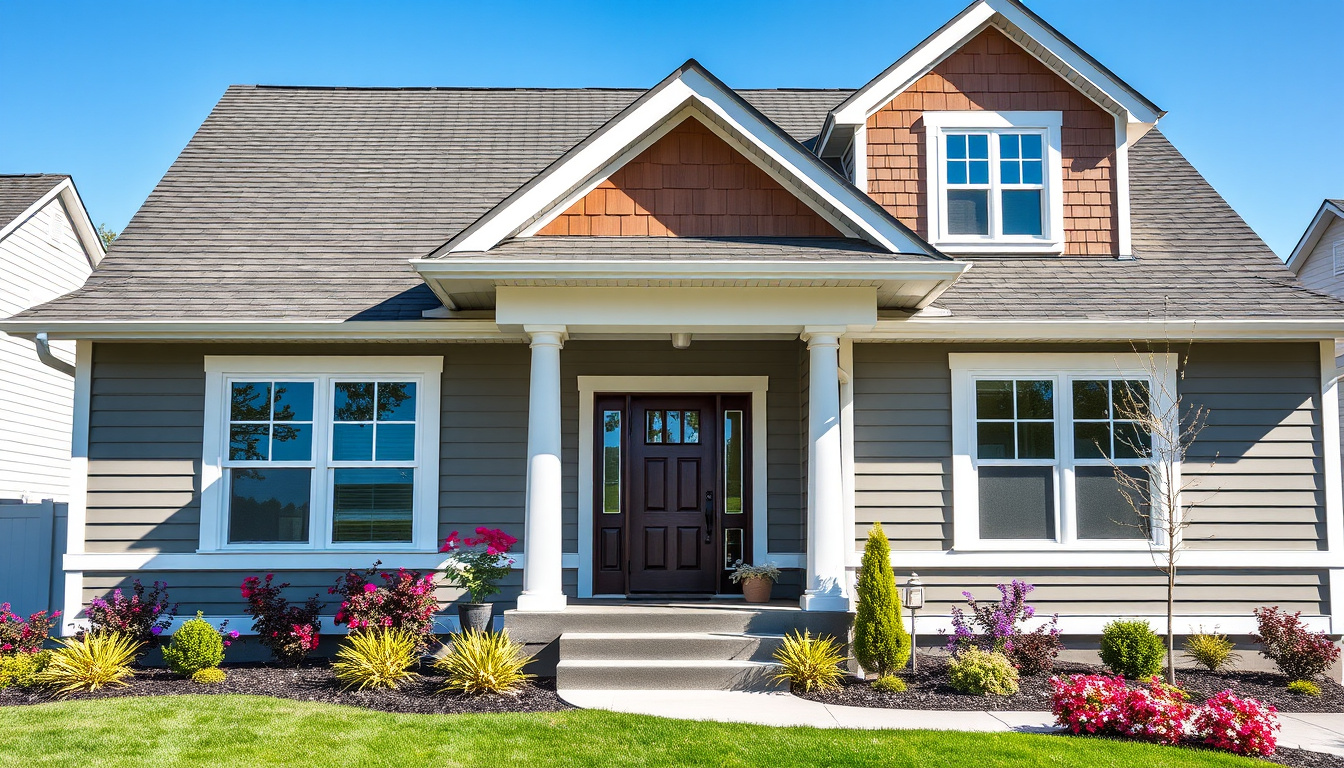
When it comes to enhancing your home’s appearance, longevity, and energy efficiency, siding replacement is one of the most impactful renovations you can undertake. The exterior of your home serves as its first line of defense against the elements, and over time, it may require updating to maintain its protective qualities and aesthetic appeal. In this comprehensive guide, we will explore when to consider siding replacement, the materials available, and the benefits of this crucial home improvement project.

When Is It Time for Siding Replacement?
Determining the right time for siding replacement involves evaluating the condition of your current siding. Here are several key factors to consider:
-
Age of Siding: Different siding materials have varying lifespans. For instance, vinyl siding can last around 20-40 years, while wood siding may require replacement after 15-30 years depending on maintenance. If your siding is nearing the end of its lifespan, it may be time to invest in an upgrade.
-
Visible Damage: Inspect your siding for signs of deterioration such as cracks, warping, or holes. These issues can allow water and pests to penetrate your home, leading to more significant damage. If you notice extensive damage across multiple areas, replacement is essential.
-
Maintenance Requirements: As siding ages, the need for maintenance tends to increase. Frequent repairs, such as repainting or patching, can indicate that your siding is wearing out. Choosing modern, low-maintenance materials can free you from constant upkeep.
-
Energy Efficiency: Old or damaged siding can compromise your home’s energy efficiency by allowing heat to escape during winter months or letting warm air in during the summer. If you find your energy bills escalating, updated siding with better insulation properties could yield significant cost savings.
-
Curb Appeal: Does your home look outdated compared to others in your neighborhood? A fresh siding replacement can boost your home’s aesthetic, making it more appealing if you plan to sell or simply wish to enjoy a more beautiful residence.
Choosing the Right Siding Material
Siding is available in a variety of materials, each offering its unique benefits:
-
Vinyl Siding: Known for its cost-effectiveness and low maintenance, vinyl siding is highly popular among homeowners. It’s resistant to fading, scratching, and impact, making it an excellent choice for various climates.
-
Fiber Cement Siding: This durable option is made from a mixture of sand, cement, and cellulose fibers. It stands up to weather extremes, pests, and fire, and can mimic the appearance of wood or stucco without the typical maintenance associated with those materials.
-
Wood Siding: While aesthetically charming, wood requires regular maintenance to prevent rotting and insect damage. However, it provides excellent insulation and can be a sustainable choice if sourced from responsibly managed forests.
-
Metal Siding: Offering a modern look with exceptional durability, metal siding is resistant to rust and pests. Aluminum and steel siding are excellent low-maintenance options but can be prone to denting.
-
Stone Veneer Siding: For a luxe appearance, stone veneer siding presents a beautiful yet heavy material choice that provides excellent insulation and weather resistance.
Benefits of Siding Replacement
Investing in new siding provides numerous advantages:
-
Increased Home Value: New siding can significantly increase your home’s resale value and enhance its marketability by improving aesthetics and curb appeal.
-
Enhanced Protection: Modern siding materials provide better protection from the elements, pests, and moisture, reducing the likelihood of costly repairs in the future.
-
Energy Efficiency: Updated siding can provide better insulation, leading to lower energy costs and a more comfortable living environment year-round.
-
Aesthetic Refresh: A new exterior can transform the look of your home, allowing you to choose colors and styles that align with your tastes while reflecting current design trends.
Preparing for Your Siding Project
Before embarking on your siding replacement project, consider these essential steps:
-
Research: Explore different materials and styles that will enhance the architectural features of your home and suit your local climate.
-
Budgeting: Determine your budget by considering both the material costs and installation. Request quotes from multiple contractors to ensure competitive pricing.
-
Select a Contractor: Finding the right contractor is crucial for ensuring a smooth and successful installation. Look for licensed and insured professionals with positive customer reviews.
-
Plan for the Future: While your siding is removed, consider addressing underlying issues like insulation replacement, installing weather barriers, or upgrading windows and doors for optimal energy efficiency.
Conclusion
Siding replacement is an invaluable investment that not only enhances the appearance of your home but also improves its longevity and energy efficiency. By understanding when to replace your siding and which materials to consider, you can make informed decisions that will benefit your home for years to come. Whether you’re looking to boost your home’s curb appeal, safeguard it from harsh weather, or simply enjoy a fresh new look, the benefits of siding replacement are certainly worth pursuing.