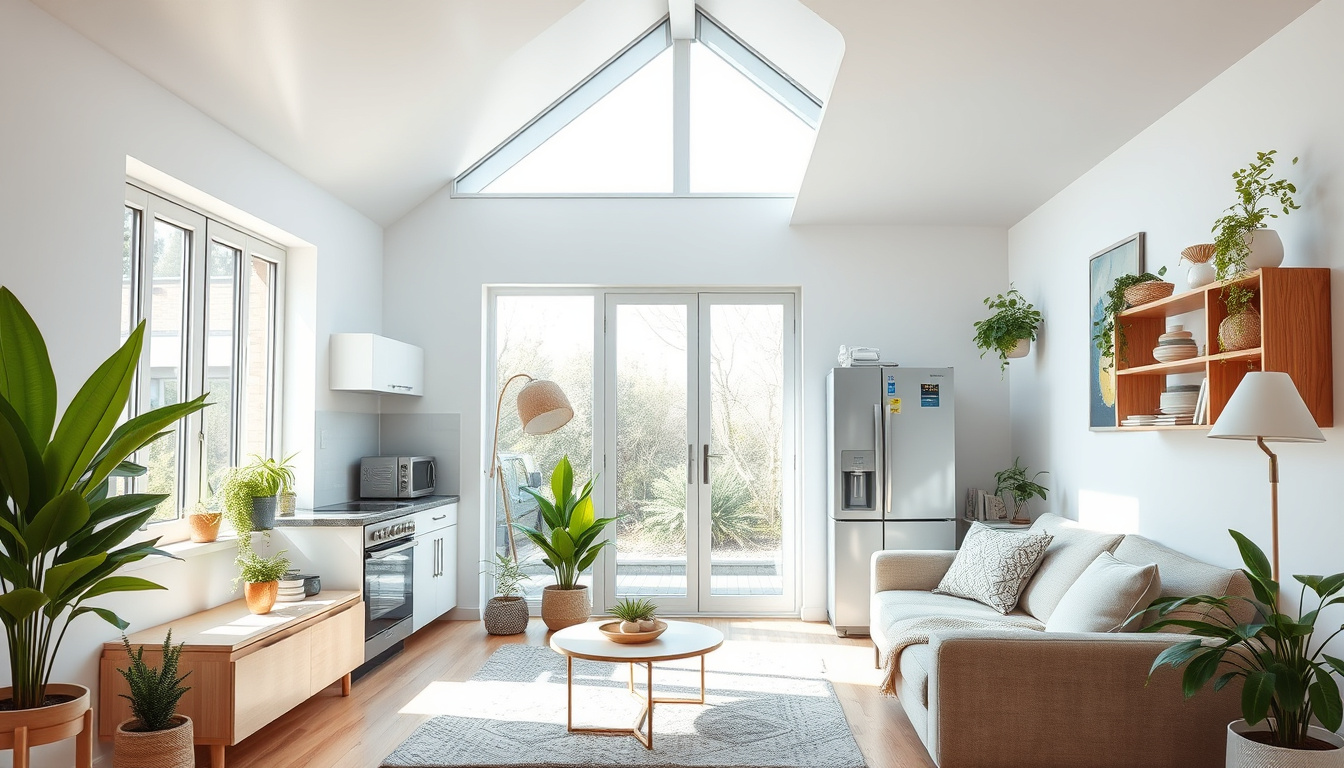
In today’s world, where energy costs continue to rise and environmental concerns become increasingly pressing, making energy efficiency upgrades to your home is not just a smart investment—it’s a responsible decision. Not only can energy efficiency improvements help reduce your carbon footprint, but they can also lead to significant savings on your utility bills. Below, we explore a variety of essential upgrades that can enhance your home’s energy efficiency while maximizing savings.

1. Conduct an Energy Audit
Before diving into upgrades, it’s helpful to understand where your home stands in terms of energy efficiency. An energy audit, often performed by a professional, can pinpoint areas of energy waste and provide tailored recommendations for improvements. This assessment may involve checking for drafts, inspecting insulation, and using tools like infrared cameras to identify inefficiencies. The insights gleaned from an energy audit can guide your upgrade decisions, ensuring that you target the most impactful areas.
2. Improve Insulation and Seal Air Leaks
A significant amount of energy can be lost through poorly insulated spaces and air leaks. By improving your home’s insulation—particularly in the attic, walls, and basement—you can maintain a more comfortable temperature year-round, reducing heating and cooling costs by up to 30%. Complement this with air sealing around windows, doors, and ducts using caulk or weather stripping to minimize drafts and enhance your home’s overall comfort.
3. Upgrade to Energy-Efficient Windows
Replacing old windows with ENERGY STAR certified products can lead to substantial energy savings. These windows are designed to prevent heat loss in winter and keep your home cool in summer. Installing energy-efficient windows can lower your energy bills by about 12%, significantly enhancing your home’s comfort while reducing your carbon footprint. Consider storm windows or additional treatments to maximize benefits further.
4. Invest in a Smart Thermostat
Heating and cooling account for a large portion of energy consumption in homes. Upgrading to a smart thermostat can allow you to optimize your heating and cooling settings automatically based on your schedule. By reducing heating and cooling when you’re away or asleep, you can save up to 10% on your energy bills. This technology not only makes your home more efficient but also more adaptable to your lifestyle.
5. Choose Energy-Efficient Appliances
Household appliances are significant energy consumers, with some consuming more than others. When it’s time to replace an appliance, look for those with the ENERGY STAR label, which indicates that they meet strict energy efficiency guidelines. From refrigerators and dishwashers to washing machines, upgrading to energy-efficient models can lead to substantial long-term savings and reduced electricity usage.
6. Upgrade Heating and Cooling Systems
Consider modern heating and cooling systems, such as ENERGY STAR certified heat pumps, which are designed to use less energy while providing the same or better heating and cooling performance. Regular maintenance and prompt upgrades of older HVAC systems can significantly reduce energy consumption and ensure more comfort in your living space.
7. Efficient Water Heating Solutions
Water heating typically constitutes a large share of a household’s energy expenses. By switching to a high-efficiency water heater, particularly one that uses heat pump technology or is tankless, you can save up to $550 annually for a household of four. Insulating your water heater and considering low-flow fixtures can further reduce your energy and water bills.
8. Explore Tax Incentives and Rebates
Many homeowners may not be aware that energy-efficient upgrades can come with financial incentives. Programs, such as those from the ENERGY STAR program and the IRS’s Energy Efficient Home Improvement Credit, offer tax credits for qualifying upgrades. Starting in 2023, for instance, you may be eligible for a tax credit of up to $3,200 for certain energy-efficient improvements, providing a significant financial boost to your projects.
Conclusion
In conclusion, tackling energy efficiency upgrades in your home is a proactive step towards both personal savings and environmental stewardship. By conducting an energy audit, improving insulation, upgrading to energy-efficient windows and appliances, and investing in modern heating and cooling technologies, you can significantly reduce your utility bills while enhancing the comfort of your living space. Furthermore, don’t forget to explore available financial incentives that can help ease the initial costs of these improvements. Embrace the transition towards a more energy-efficient home and enjoy the multitude of benefits that come with it.