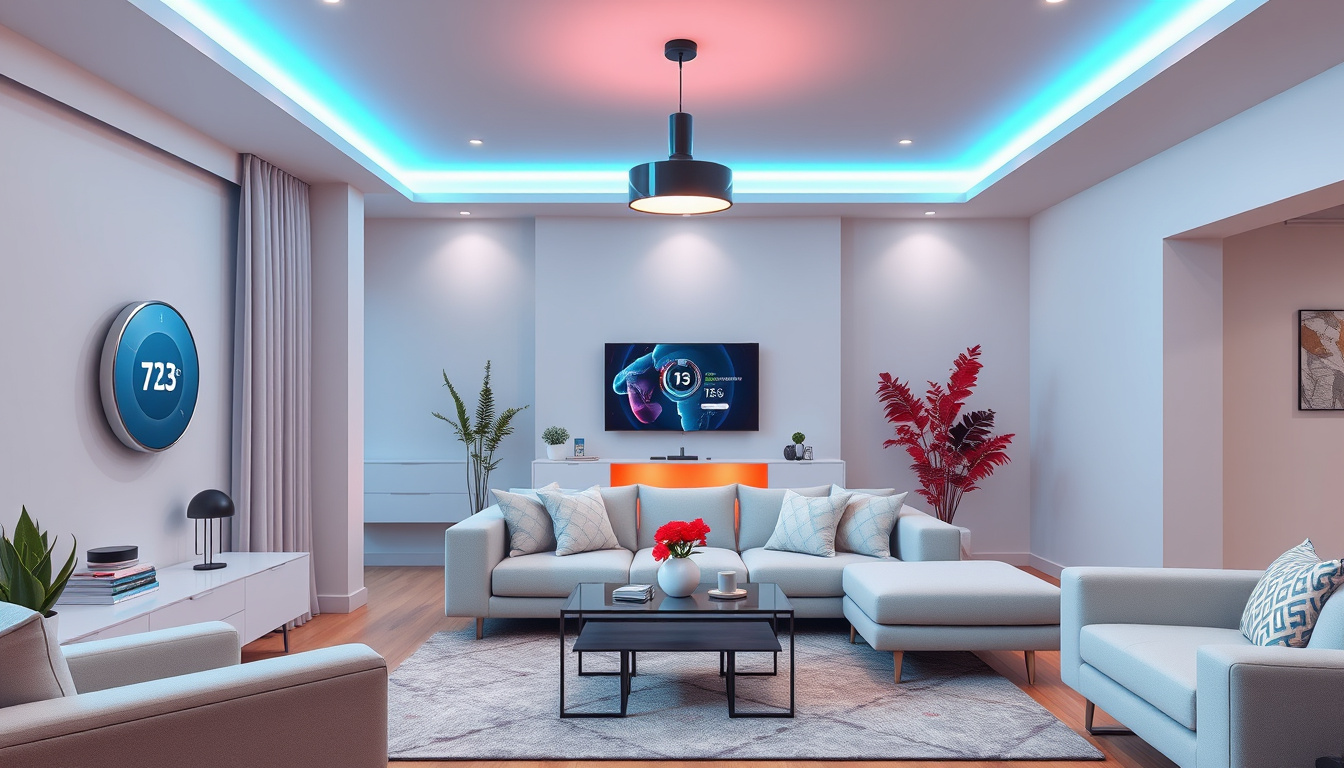
Smart home technology integration has shifted from a futuristic concept to a prevalent reality in contemporary living. With the proliferation of Internet of Things (IoT) devices, homeowners now enjoy the convenience, security, and efficiency that a well-integrated smart home can provide. In this guide, we’ll explore the essentials of smart home technology integration, its benefits, its challenges, and how to implement it effectively in your living space.

What is Smart Home Technology?
At its core, a smart home utilizes a network of interconnected devices that can be managed remotely through smartphones or dedicated control systems. This enables automation of various household functions—ranging from lighting and climate control to security systems and entertainment devices. Most smart home technologies fall within the realm of IoT, which allows these devices to communicate and operate in unison.
Smart homes often include a variety of devices such as smart thermostats, security cameras, lighting systems, and kitchen appliances, which not only enhance the living experience but also make daily chores more manageable through automation.
Key Devices in Smart Home Technology Integration
-
Smart Lighting: Smart bulbs can be controlled remotely, scheduled, or set to adjust automatically based on room occupancy or ambient light levels.
-
Smart Thermostats: Devices like the Google Nest learn homeowner habits to optimize heating and cooling schedules, ensuring comfortable living conditions while conserving energy.
-
Home Security Systems: Integration of smart security cameras and smart locks allows homeowners to monitor their properties in real-time and manage access remotely, enhancing security.
-
Smart Appliances: Advanced kitchen gadgets, like smart refrigerators, can keep track of grocery inventories, suggest recipes, and even notify users when foods are nearing expiration.
-
Voice Assistants: Devices such as Amazon Echo and Google Assistant have simplified the user experience by allowing voice control of various smart devices, which enhances accessibility and convenience.
The Benefits of Smart Home Integration
The advantages of integrating smart home technology are multifaceted. Here are some of the most compelling benefits:
-
Enhanced Convenience: Automation reduces the need for manual intervention in everyday tasks. For example, you can pre-program your smart coffee maker to start brewing when you wake up.
-
Increased Security: Remote monitoring capabilities mean that homeowners can keep an eye on their property from anywhere in the world. Integration with security systems can notify homeowners of unusual activities.
-
Energy Efficiency: Smart systems can significantly reduce energy consumption by adjusting usage according to the homeowner’s presence, thus lowering utility bills and contributing to a more sustainable lifestyle.
-
Improved Health and Wellness: With smart technology like air quality monitors and automated lighting, homeowners can create environments that enhance their health and well-being.
Challenges in Smart Home Integration
Despite the clear advantages, there are challenges associated with smart home technology:
-
Complexity of Setup: Integrating multiple devices can be tricky, especially for those who may not be tech-savvy. This complexity can deter homeowners from fully embracing smart home technology.
-
Data Privacy and Security Risks: As more devices get connected, data privacy becomes a concern. Homeowners must be aware of potential vulnerabilities in their smart systems that could be exploited by hackers.
-
Interoperability Issues: The lack of standardized protocols can lead to complications when trying to integrate devices from different manufacturers.
Implementing Smart Home Technology Integration
To effectively integrate smart home technology into your living space, consider the following steps:
-
Assess Your Needs: Determine which areas of your home you want to automate and which devices will best serve those functions.
-
Choose Compatible Devices: Select devices that are compatible with one another and can operate on common platforms. This will minimize complications and streamline installation.
-
Set Up a Smart Hub: Invest in a central smart hub (e.g., Amazon Echo, Google Nest Hub) that can control all compatible devices from one interface, simplifying the user experience.
-
Focus on Security: Ensure that your smart home devices are secured. Enable encryption, use strong passwords, and familiarize yourself with each device’s privacy settings.
-
Evolve Gradually: Start with a few essential devices, such as smart lighting and thermostat, before adding more advanced integrations like home security systems or voice assistants.
Conclusion
Smart home technology integration can transform your living environment, offering convenience, security, and efficiency. While the journey to a fully integrated smart home may come with its challenges, understanding the available technologies, their benefits, and how to overcome potential hurdles will ensure a satisfying and enriching experience. By carefully selecting compatible devices and prioritizing security, homeowners can truly revolutionize their living spaces with smart home technology.