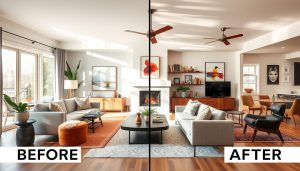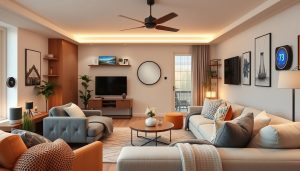
Creating an open floor plan can significantly enhance the functionality, aesthetic appeal, and ambiance of your home. This design approach eliminates barriers between living spaces, fostering a seamless flow while maximizing natural light and room functionality. In this guide, we’ll delve into the advantages and challenges of open floor plans and provide practical tips for designing a cohesive and inviting space.
Understanding the Open Floor Plan Concept
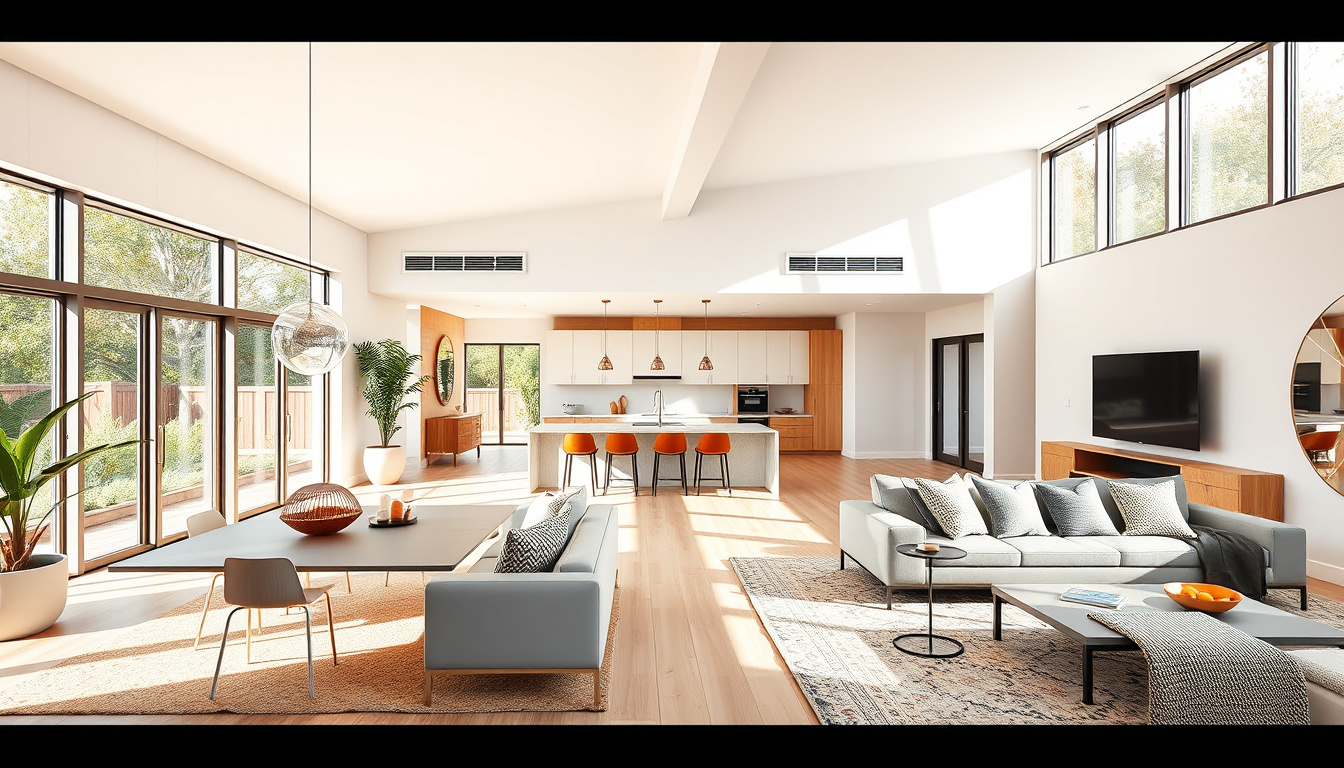
An open floor plan is characterized by the absence of physical walls separating key living areas such as the kitchen, dining room, and living room. This layout has gained popularity for its myriad benefits, including improved social interaction and an enhanced sense of spaciousness. Homes designed with open concepts often feel more connected, making them ideal for families and individuals who entertain regularly.

Benefits of an Open Floor Plan
-
Enhanced Social Interaction: Open spaces allow homeowners to engage with family and guests while cooking, dining, or relaxing, promoting a more communal atmosphere.
-
Increased Natural Light: With fewer walls, light from windows can penetrate deeper into the home, brightening interiors and reducing the need for artificial lighting.
-
Versatility: Open floor plans facilitate multi-functional spaces, allowing areas to serve various purposes, such as a play area, workspace, or dining space, depending on needs.
-
Improved Flow and Flexibility: Without doors and walls, movement throughout the house is more fluid, making it easier to navigate.
Potential Drawbacks to Consider
While the benefits are substantial, there are challenges associated with open floor plans:
-
Reduced Privacy: The lack of walls can lead to diminished privacy, which may be a concern for families.
-
Temperature Regulation Challenges: Larger, open spaces can often be harder to heat or cool effectively, leading to higher energy bills.
-
Decorating Difficulties: Maintaining a cohesive decor style can be challenging due to the visibility of all areas from any standpoint.
Practical Tips for Creating a Stunning Open Floor Plan
If you’re considering transitioning to an open floor plan, keep these essentials in mind:
1. Define Spaces with Furniture
Use furniture arrangements to establish distinct areas within your open layout. For example, a sofa can define a living area, while a dining table can delineate the eating space. Floating furniture (placing it away from the walls) creates a more inviting setup and adds intimacy.
2. Incorporate Area Rugs
Area rugs are invaluable in visually separating different zones. They not only add texture and warmth but also enhance the acoustic quality of an open space by reducing noise.
3. Utilize Color Schemes Wisely
A consistent color palette can unify different areas within an open floor plan. Consider using complementary tones or varying shades of the same color to create flow while allowing for individuality in each zone.
4. Leverage Lighting
Good lighting can define spaces in an open floor plan. Use a mix of ambient, task, and accent lighting to create ambiance and enhance the functionality of the various areas. Pendant lights over dining tables or kitchen islands can serve as visual anchors.
5. Use Architectural Elements
Consider introducing half-walls or open shelving to maintain a sense of separation while keeping the space open. These can also serve functional purposes, such as additional storage or decorative displays.
6. Maintain Clear Sightlines
To prevent visual clutter, keep decor minimal and strategically place furniture to preserve sightlines throughout the open area. This approach encourages a more airy and organized feel.
7. Incorporate Greenery
Integrating plants into your design can add warmth and life to your open floor plan. They can serve as natural dividers and contribute to indoor air quality.
8. Consistent Textures and Materials
Repeating textures and materials throughout the open space can help stitch the various areas together. Whether it’s through upholstery, flooring, or decorative elements, a cohesive material palette ensures harmony.
Final Considerations
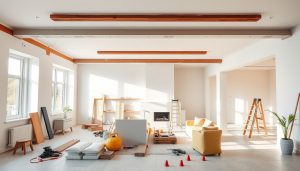
Transitioning to an open floor plan is more than just knocking down walls; it requires careful planning and consideration of your lifestyle needs. Engage a professional designer or architect to evaluate load-bearing structures and to ensure your vision is realized safely and beautifully.
Whether you’re looking to modernize your home or create an inviting space for entertaining, the open floor plan provides endless possibilities. Embrace the change and transform your living environment into a harmonious blend of functionality and style.