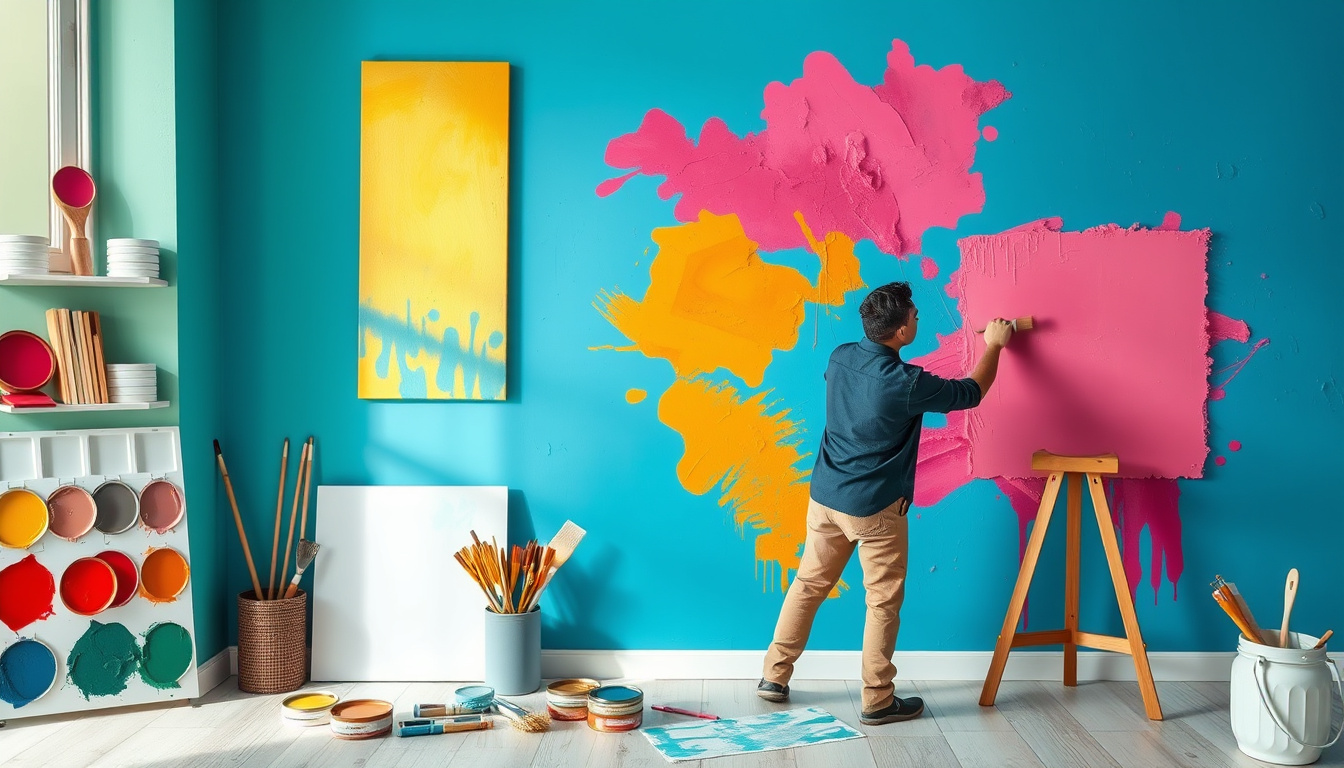
Painting walls might seem like a daunting task, especially for beginners. However, with the right techniques and preparation, anyone can transform their space without professional help. This guide provides expert tips to ensure your wall painting project is successful, whether you’re updating a single room or an entire house.

1. Choose the Right Type of Paint
Before you even reach for a brush, it’s crucial to understand the different types of paint available. For wall painting, the most popular options include:
-
Flat Paint: This is ideal for low-traffic areas and offers a matte finish, but it may not be as durable against stains.
-
Satin Paint: A step up from flat, it has a subtle sheen, making it easier to clean and better suited for living rooms and bedrooms.
-
Semi-Gloss Paint: Perfect for moisture-prone areas like kitchens and bathrooms, semi-gloss resists dirt and is easily wipeable, making it practical for spaces with high foot traffic.
When selecting paint, consider both the aesthetics and the functionality of each type, along with your budget. Many find “one coat” brands to be budget-friendly while still providing excellent coverage.
2. Preparation is Key
Clear & Protect Your Space
Before diving into your painting project, ensure the room is as clear as possible. Remove or cover furniture with drop cloths to protect from splatters. Take the time to tape off edges of trim, windows, and doors using painter’s tape for crisp lines.
Inspect Your Walls
Examine the condition of your walls. Identify any issues, such as peeling paint, cracks, or old wallpaper. Address these problems before applying new paint; this could involve patching holes or sanding rough areas to create a smooth surface for painting.
Choose the Correct Primer
Using a primer is essential, especially if you’re making a drastic color change or if the walls have stains. It helps paint adhere better and can reduce the number of paint coats needed. For those painting previously oil-based finishes with latex paint, a specialty primer will help facilitate adhesion.
3. Selecting the Right Tools
Having the right tools will significantly influence the outcome of your project. Invest in high-quality brushes and rollers, which can last for many years with proper care. For walls, rollers are usually the best choice as they cover large areas quickly; use a brush for edges and corners.
Make sure to also have the following supplies on hand:
- Paint tray
- Drop cloths
- Painter’s tape
- Sandpaper
- A ladder for reaching high areas
4. Painting Techniques
Work in Sections
Divide the wall into manageable sections. This will make it easier to keep track of your progress and ensure all areas receive the same attention.
Apply Smooth, Even Coats
When applying the paint, be sure to use smooth, even strokes. Start from the top and work your way down to avoid drips. If using a roller, load it evenly with paint to prevent excess drippage.
Master the Cutting-In Technique
"Cutting in" refers to painting around the edges. After taping, use a brush to apply paint along the edges before going in with a roller. This creates a neatly finished look without leaving any areas unpainted.
Don’t Rush the Drying Time
Allow for appropriate drying time between coats. Most paints require at least two coats for complete coverage, so patience here will be rewarded with a more vibrant finish.
5. Test Color Swatches
Color can profoundly affect the mood and feel of a room. Before committing to a paint color, test swatches on the wall or a piece of cardboard. Observe how colors look at various times of day in the room to ensure you’re satisfied with your choice.
Conclusion: Enjoy Your New Look
Once all is said and done, step back and admire your hard work. Painting walls not only rejuvenates the look of a room but also enhances your enjoyment of the space. With careful planning, the right materials, and some patience, you can achieve a professional-looking finish that makes your home feel new again.
Whether you’re painting for the first time or looking to refine your technique, these tips will guide you in creating beautiful, lasting results. Happy painting!