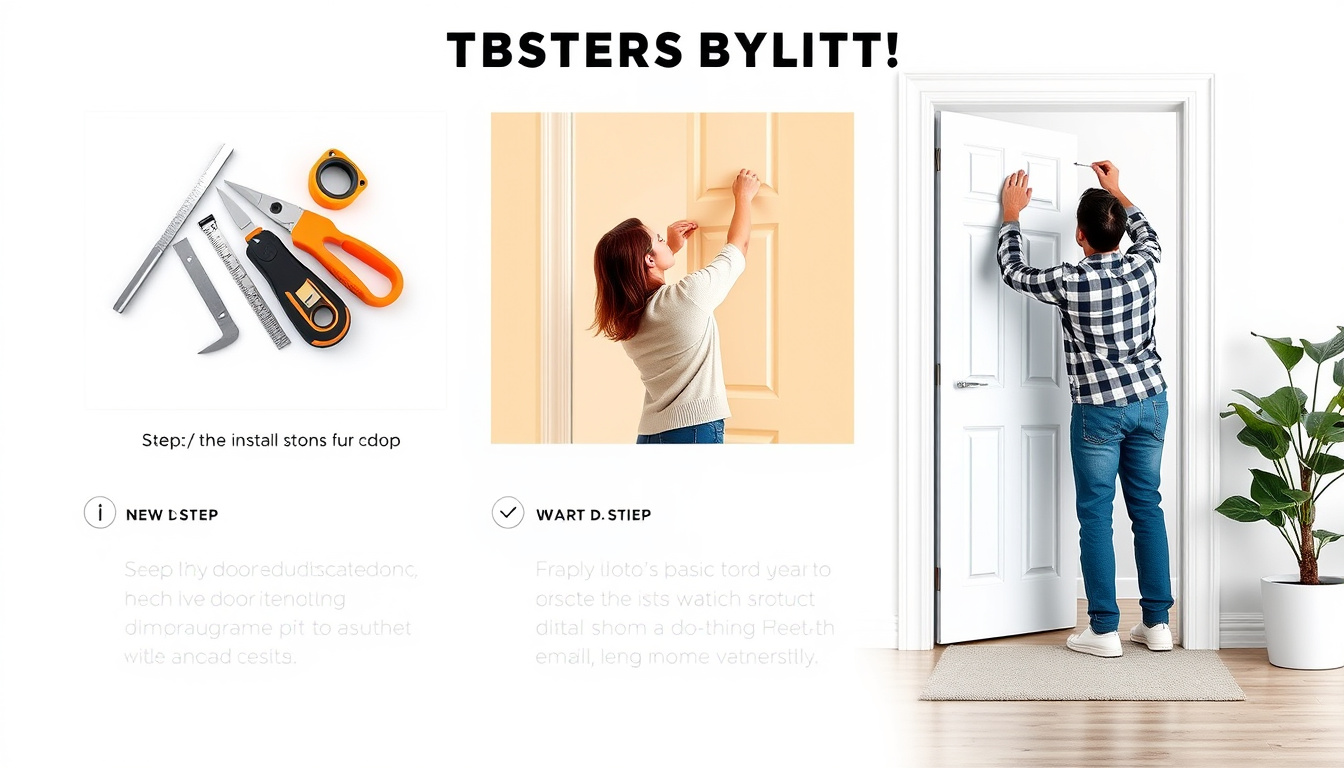
Door installation is an essential home improvement project that can enhance functionality, security, and style. Whether you’re replacing an old door or installing a new one, understanding the installation process and preparing adequately will save you time and frustration. In this comprehensive guide, we will cover everything you need to know about door installation, including types of doors, the installation process, costs, and helpful tips for DIY enthusiasts.
Understanding Door Types
Before embarking on your door installation journey, it’s crucial to understand the different types of doors available and their specific installation requirements. Here are some common types of doors:
-
Exterior Doors: These are designed to withstand weather conditions and provide security. They are often made from solid wood, fiberglass, or steel.
-
Interior Doors: Typically lighter and less secure, interior doors come in various styles such as panel doors, flush doors, and bi-fold doors.
-
Patio Doors: Usually made from glass, patio doors provide access to outdoor spaces. They can be sliding or hinged, depending on the design.
-
Storm and Security Doors: These serve as an additional protective layer for exterior doors, enhancing energy efficiency and security.
-
Specialty Doors: Options like barn doors, accordion doors, and French doors are often chosen for aesthetic appeal and unique functionality.
Preparing for Installation
Tools and Materials Needed
To ensure a smooth installation, gather the following tools and materials:
- Measuring tape
- Level
- Screwdriver and drill
- Hammer
- Door hinges and screws
- New door (pre-hung or slab)
- Shims
- Caulk and caulking gun (for weather sealing)
Measuring the Door Frame
Accurate measurement is critical. Measure the height and width of the existing door frame and note any irregularities. If replacing an old door, additional measurements for depth and type of hinges may also be necessary. It’s advisable to have a professional come in to assess the exact measurements for optimal fit.

The Installation Process
Step 1: Remove the Old Door
Start by carefully removing the old door from its hinges. If it’s particularly stubborn or heavy, asking for assistance can help prevent injury.
Step 2: Prepare the Frame
Inspect the door frame for damage or rot. If any repairs are needed, now is the time to address them. Clean the frame and ensure it’s free of debris.
Step 3: Install the New Door
- Hanging: If you’re installing a pre-hung door, position it into the frame and use shims to ensure it is level and plumb.
- Securing: Secure the hinges to the frame, sometimes requiring pilot holes for the screws. If you’re installing a slab door, you’ll need to attach hinges to the door first before mounting it.
Step 4: Adjust and Seal
Once the door is hung and operating properly, use caulk around the frame to prevent drafts and enhance insulation. This step is particularly important for exterior doors.
Step 5: Finishing Touches
Install any doorknobs or locks and test the door functionality. Make any necessary adjustments to ensure a snug fit and smooth operation.
Costs and Considerations
The cost of door installation can vary widely based on the door type, the complexity of the installation, and whether you hire a professional or do it yourself. For instance:
- Interior Doors: Installation costs typically range from $200 to $500.
- Exterior Doors: Costs can rise significantly, typically starting around $2,900 and reaching upwards of $4,600 depending on materials and style.
If you’re considering hiring professionals, be sure to evaluate quotes from multiple contractors and choose one with appropriate certifications and a good reputation.
Safety Tips for DIY Installation
- Check Local Regulations: Ensure compliance with any local codes regarding door installation, particularly for exterior doors.
- Use Safety Gear: Always wear appropriate safety gear, including gloves and eye protection, when handling tools and materials.
- Seek Help if Needed: Don’t hesitate to call for professional help if you’re unsure about the process or lack the necessary tools.
Conclusion
Door installation can seem daunting, but with the right tools, materials, and guidance, it can be a rewarding project that enhances your home’s beauty and efficiency. By knowing the types of doors available, preparing your space properly, and understanding the installation steps, you’ll be well on your way to achieving a successful door installation. Whether you choose to tackle this project yourself or enlist the help of a professional, a new door can lead to improved aesthetics and increased functionality in your home. Happy DIYing!