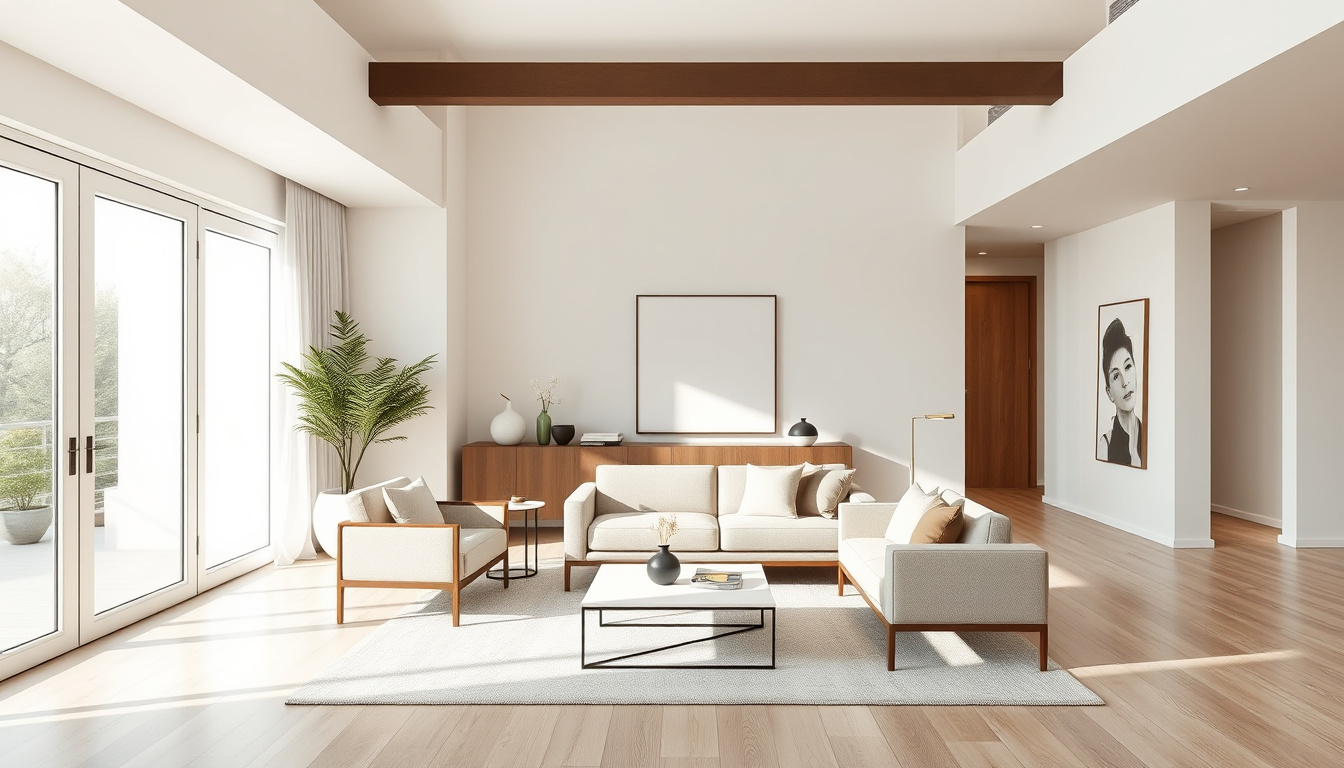
Minimalism in home design is often misunderstood. Many people equate it with an empty space devoid of personality; however, it can actually be a celebration of elegance and sophistication. Inspired by the likes of celebrity homes, such as Kim Kardashian’s minimalistic mansion, the minimalist interior design trend focuses on timelessness and functionality. If you’re curious about embracing this design philosophy without breaking the bank, here are 15 essential principles that will guide you in creating a stunning minimalist home interior.
1. Clear the Clutter
The foundation of minimalist living begins with decluttering. Assess your belongings and keep only what you truly need. Sentimental items can often be stored away, allowing your home to breathe, and enhancing its minimalist aesthetic.
2. Create Dedicated Spaces
Each item in your home deserves a designated spot. A well-organized space not only looks tidy but also simplifies your daily routine. Whether it’s a guitar or a collection of travel memorabilia, ensure everything has its place.
3. Embrace Monochromes
Opt for a monochrome palette featuring black, white, and shades of grey. Such colors add a modern and sophisticated touch to your interiors while maintaining the minimalist vibe. This approach also provides a cohesive and stylish look throughout your home.
4. Remember: Less is More
The essence of minimalism is encapsulated in the principle of "less is more." Reduce the number of furniture pieces to the essentials. This results in a visually appealing space that feels open and inviting.
5. Limit Material Variety
Using too many different materials can lead to a chaotic vibe. Instead, choose a few textures that complement each other within a single color palette. This repetition in texture adds depth without overwhelming the senses.
6. Keep Floor Space Clear
A clean floor space can significantly enhance the minimalist aesthetic. To achieve this, consider wall-mounted storage solutions as opposed to bulky floor-mounted units. This approach not only opens up the area but also provides a fresh, uncluttered look.
7. Opt for Straight Lines
Avoid curved furniture and decorations; instead, favor pieces with clean, straight lines. This design choice maintains a sense of order and sophistication, aligning perfectly with minimalistic principles.
8. Usher in Natural Light
Natural light is a hallmark of any beautifully designed space. Keep windows unobstructed to allow sunlight to flood your home, creating a warm and spacious atmosphere that invigorates the minimalist charm.
9. Choose Modular Furniture
Modular furniture is ideal for minimalist designs due to its clean lines and efficient use of space. This type of furniture often includes built-in storage, making it easy to maintain the uncluttered look that minimalism champions.
10. Hide Cables and Wires
Exposed wires can detract from the minimalist aesthetic. Conceal them using cable management systems or wooden panels to maintain a clean look and enhance the overall design.
11. Combine White and Wood Finishes
A white and wood combination is a classic choice that resonates well within minimalist designs. This pairing adds warmth and elegance while ensuring your space remains bright and open.
12. Whitewash Your Walls
To create the illusion of more space, consider whitewashing your walls. This technique not only enhances the spaciousness of a room but also contributes to a serene, minimalistic ambiance.
13. Introduce Plants
Adding plants brings life and color to minimalism without overwhelming it. Choose low-maintenance varieties to punctuate your clean decor with natural beauty, adding a refreshing element to your interiors.
14. Explore Space-Saving Storage Options
Utilizing space-saving storage solutions allows you to maximize functionality while keeping your home organized. This is particularly beneficial in smaller spaces, where excess furniture can quickly lead to clutter.
15. Prioritize Quality Over Quantity
In a minimalist home, focus on investing in high-quality furniture that stands out rather than filling your space with numerous lower-quality pieces. Each item should serve a purpose and contribute to the overall aesthetic.
Conclusion
Embracing a minimalist interior design style is about finding beauty in simplicity. By implementing these 15 principles, you can transform your home into a tranquil sanctuary that embodies both elegance and functionality. Minimalism is not about sacrificing joy but about celebrating the essentials that enrich your life. With thoughtful design choices and intentional living, you can create a stunning, minimalist space that reflects your personal style without the need for extravagance.