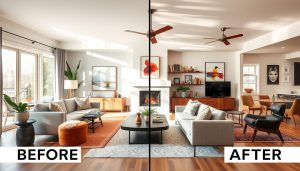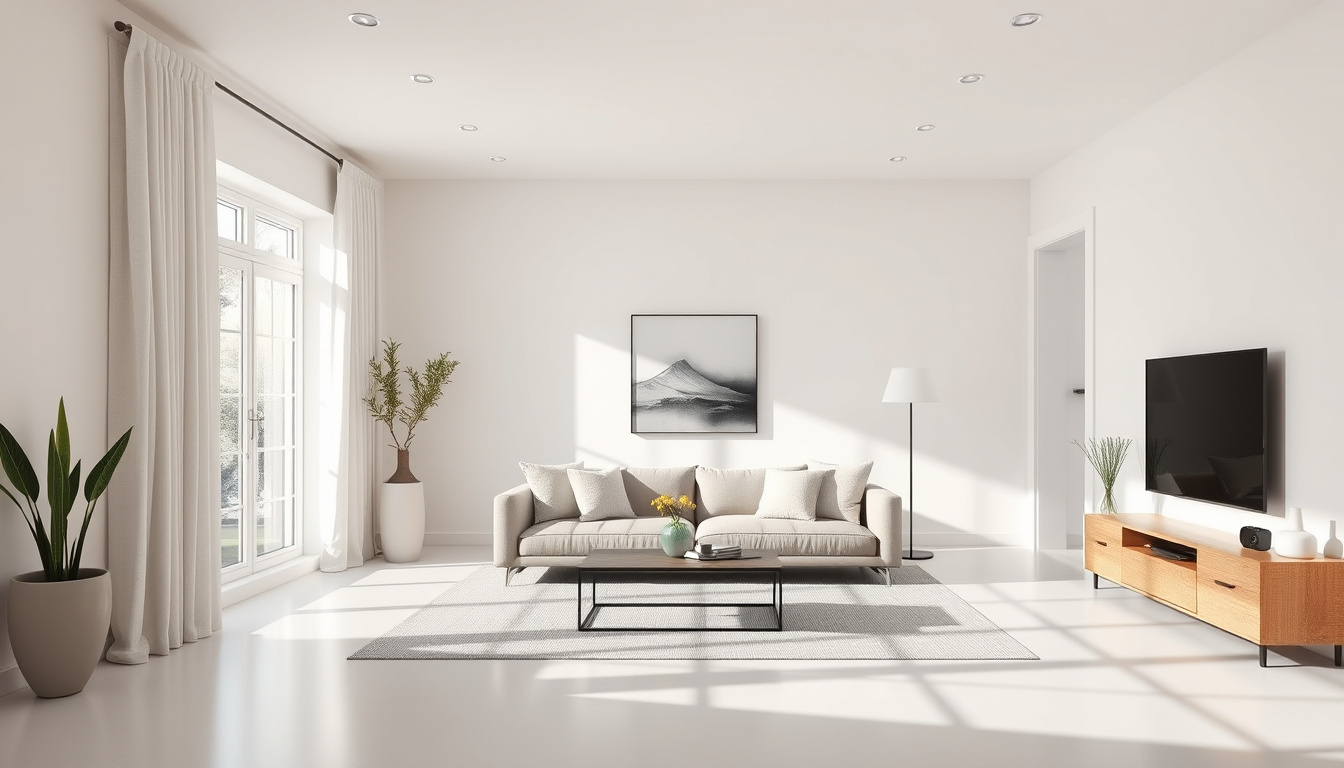
In today’s fast-paced world, many are seeking solace in the simplicity of minimalism. This design philosophy, often characterized by clean lines, neutral colors, and a focus on functionality, transforms living spaces into serene retreats that reflect clarity and purpose. By embracing minimalism in interior design, you can create a stylish home that not only looks good but also fosters peace of mind and enhances daily living.
The Foundations of Minimalism in Interior Design
At its core, minimalism revolves around the idea of reducing excess. This means simplifying your surroundings to what is essential, allowing for a clearer mind and more focused lifestyle. A minimalist home is not just visually appealing but is also designed with functionality in mind.
-
Simplicity: The hallmark of a minimalist approach is a clean and straightforward aesthetic. This is achieved by selecting a limited number of high-quality items that serve a purpose and bring joy.
-
Functionality: Each piece of furniture should serve multiple functions or fit into the space seamlessly, enhancing usability and adaptability. For instance, an ottoman can serve as both a seat and storage.
-
Neutral Colors: Utilizing a palette of whites, beiges, and grays can enlarge spaces and imbue them with a calming effect. These shades promote tranquility and make it easier to decorate cohesively.
-
Minimalist Furniture Designs: Choose furniture with clean lines and simple forms. This simplicity in design not only makes a space feel larger but also allows for a cohesive look without unnecessary distractions.
Practical Steps to Create a Minimalist Home
Creating a minimalist environment involves thoughtful planning and a strategic approach to décor. Here are some actionable tips to help you achieve a minimalist home:
1. Choose Quality over Quantity
Invest in a few well-crafted pieces that will stand the test of time rather than filling the space with numerous items. This not only ensures durability but also creates a refined look.
2. Limit Decorative Items
While decor can add personality, too much clutter can disrupt the minimalist ethos. Select only a few significant pieces that resonate with you, and let them contribute to the overall ambiance of your space.
3. Incorporate Hidden Storage Solutions
To combat clutter, implement clever storage methods. Built-in cabinets, under-bed storage, and discrete baskets can help maintain a visual serenity while keeping your belongings organized.
4. Use Textured Fabrics Sparingly
While patterns can be distracting, incorporating subtle textures through fabrics can add depth to your space. Consider geometric prints or classic stripes that enhance aesthetic interest without overwhelming simplicity.
5. Mind the Lighting
Lighting plays a crucial role in minimalist design. Use it strategically to highlight key features of your space. Soft, ambient lighting can enhance the calming atmosphere, while task lighting can ensure your spaces are functional.
6. Embrace Natural Materials
Wood, stone, and clay are often synonymous with minimalism. These materials not only connect your home to nature but also exude warmth and authenticity. Their natural textures can make a minimalist space feel more inviting.
The Benefits of a Minimalist Lifestyle
Adopting minimalism goes beyond aesthetics; it cultivates a lifestyle that can lead to reduced stress, better focus, and heightened environmental awareness. By minimizing what we own, we can also decrease our carbon footprint, contributing to a more sustainable lifestyle.
-
Increased Peace of Mind: A tidy environment can promote mental clarity and emotional wellness.
-
Improved Concentration: Fewer external distractions lead to enhanced focus and productivity.
-
Easy Maintenance: Minimalist spaces require less upkeep, freeing up time for what truly matters.
-
Higher Market Value: Thoughtfully designed minimalist homes are attractive to buyers, increasing their market value due to their modern appeal.
Conclusion: Finding Balance through Minimalism
Embracing minimalism in interior design is about more than just removing clutter; it’s about fostering an environment that prioritizes simplicity and functionality. By sticking to core principles—simplicity, functionality, calm neutral colors, and the smart use of space—you can create a serene home that reflects a stylish and intentional lifestyle. Discover the freedom that comes from living with less and unlock a space that radiates comfort and clarity.