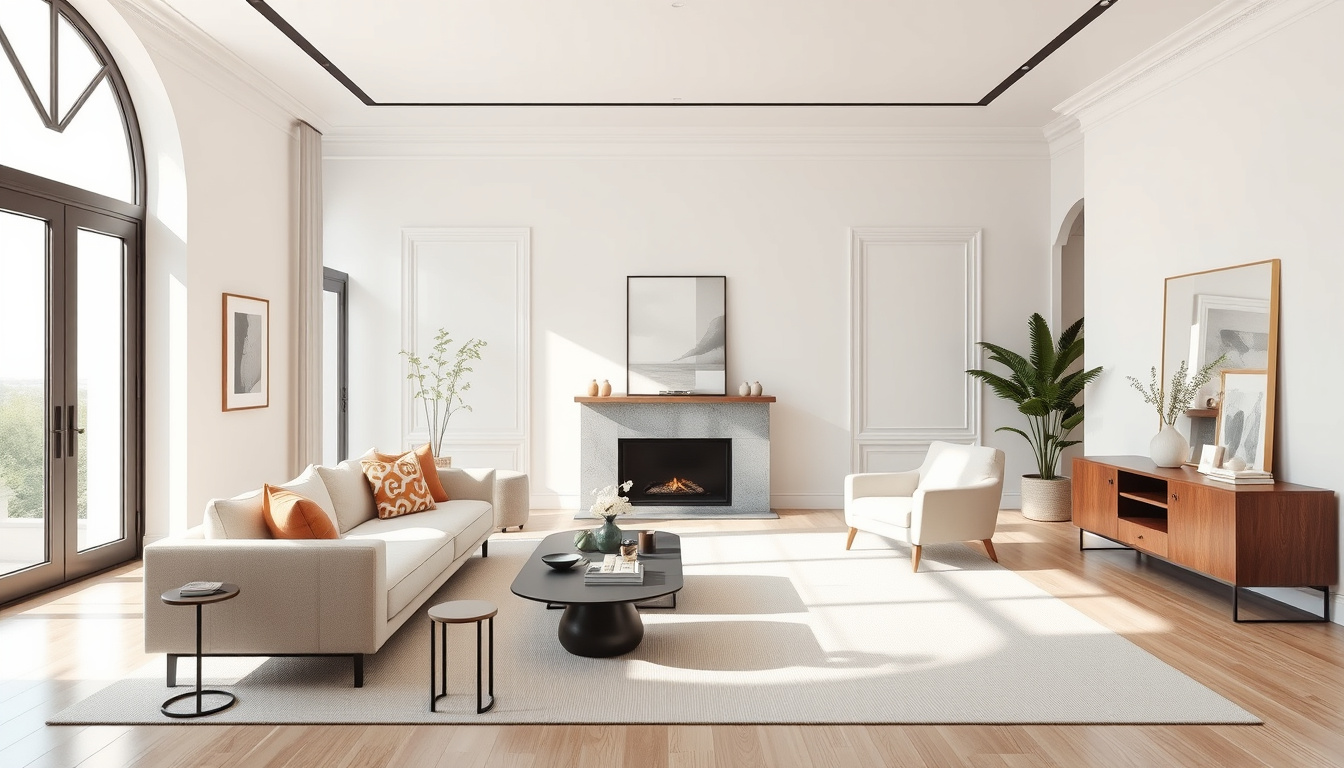
In an age where complexity often reigns supreme, the allure of minimalist design shines brighter than ever. Rooted in the principles of simplicity, functionality, and intentionality, minimalism invites us to declutter not just our spaces, but also our minds. This article explores the essence of minimalism, its historical context, and practical tips for adopting a minimalist approach in your own life and design.
The Historical Context of Minimalism
The term "minimalism" emerged as a defining movement in art and design in the mid-20th century, particularly in the wake of World War II. Artists such as Donald Judd, Robert Morris, and Frank Stella challenged traditional notions of art by stripping down their works to essential elements. This movement, which initially blossomed in the realm of visual art, began to influence architecture and design philosophies prominently by the 1960s and 1970s.
One of the most significant influences on minimalist design is the Bauhaus movement, which sought to unify art, craft, and technology. The Bauhaus school emphasized functionality and simplicity, producing iconic designs like the cantilever chair by Marcel Breuer and Ludwig Mies van der Rohe’s "Less is More" philosophy, which encapsulates the spirit of minimalism.
Additionally, Japanese traditional architecture profoundly influences minimalist design with its embrace of clean lines and open spaces, emphasizing a harmonious relationship between indoor and outdoor environments.
The Core Philosophy of Minimalism
At its heart, minimalism is not merely a design style; it embodies a lifestyle choice aimed at fostering peace and clarity. In a world often overwhelmed by noise and complexity, minimalism encourages individuals to simplify their surroundings and focus on the essentials. This shift can lead to a more sustainable and meaningful way of living.
Choosing sustainable products and emphasizing quality over quantity are vital aspects of adopting a minimalist lifestyle. By discarding non-essential elements, individuals can concentrate on what truly matters, from personal values to environmental considerations.
The Impact of Minimalist Living
Regardless of the size of one’s living space—whether it’s a cozy apartment in a bustling city or a suburban home—minimalism allows for personal expression through thoughtful design choices. Many people desire environments that reflect their identities and values, and minimalism provides a compelling framework for achieving this.
Living minimally fosters a sense of freedom and tranquility. Moreover, it grants individuals the time and space to discover their core priorities, enabling them to cultivate a more meaningful existence.
Practical Tips for Achieving Minimalist Design
Adopting minimalist design within your space involves a series of intentional choices:
-
Color Palette: Stick to monochromatic or natural color schemes. Colors like white or soft gray can help create a sense of spaciousness, while also reflecting light effectively.
-
Furniture Selection: Choose furniture items with clean lines and minimal detail. Opt for pieces that serve a functional purpose and avoid overcrowding your space with accessories.
-
Space and Layout: Emphasize open space by ensuring there’s adequate distance between pieces of furniture. This not only enhances movement within the room but also contributes to a calm, uncluttered aesthetic.
-
Ample Storage: Implement smart storage solutions to keep your space organized and free from unnecessary items. Invest in furniture that offers hidden storage to maintain a clean look.
-
Limit Accessories: Display only a few carefully chosen accessories to avoid visual clutter. A single large artwork can often make a more significant impact than multiple smaller pieces, allowing the viewer to appreciate the space without distraction.
-
Connection to Nature: Don’t overlook the views outside your window. Large windows can serve as an artistic feature of your home, inviting natural beauty into your interior design.
-
Material and Detail: Use a minimalist material palette, emphasizing fewer materials and details. A playful accent color can add interest without overwhelming the senses.
Embracing Minimalism as a Lifestyle
Ultimately, minimalism transcends mere aesthetics. The philosophy behind it encourages individuals to lighten their emotional and physical burdens, making space for the things that matter most. By embracing a minimalist approach—be it in your home, workspace, or daily life—you can cultivate a sense of freedom, clarity, and purpose that aligns with your true values.
In a world that often feels cluttered and complex, mastering minimalist design offers a pathway to greater peace and satisfaction. Embrace simplicity, and discover the beauty that arises when you focus on what truly matters.