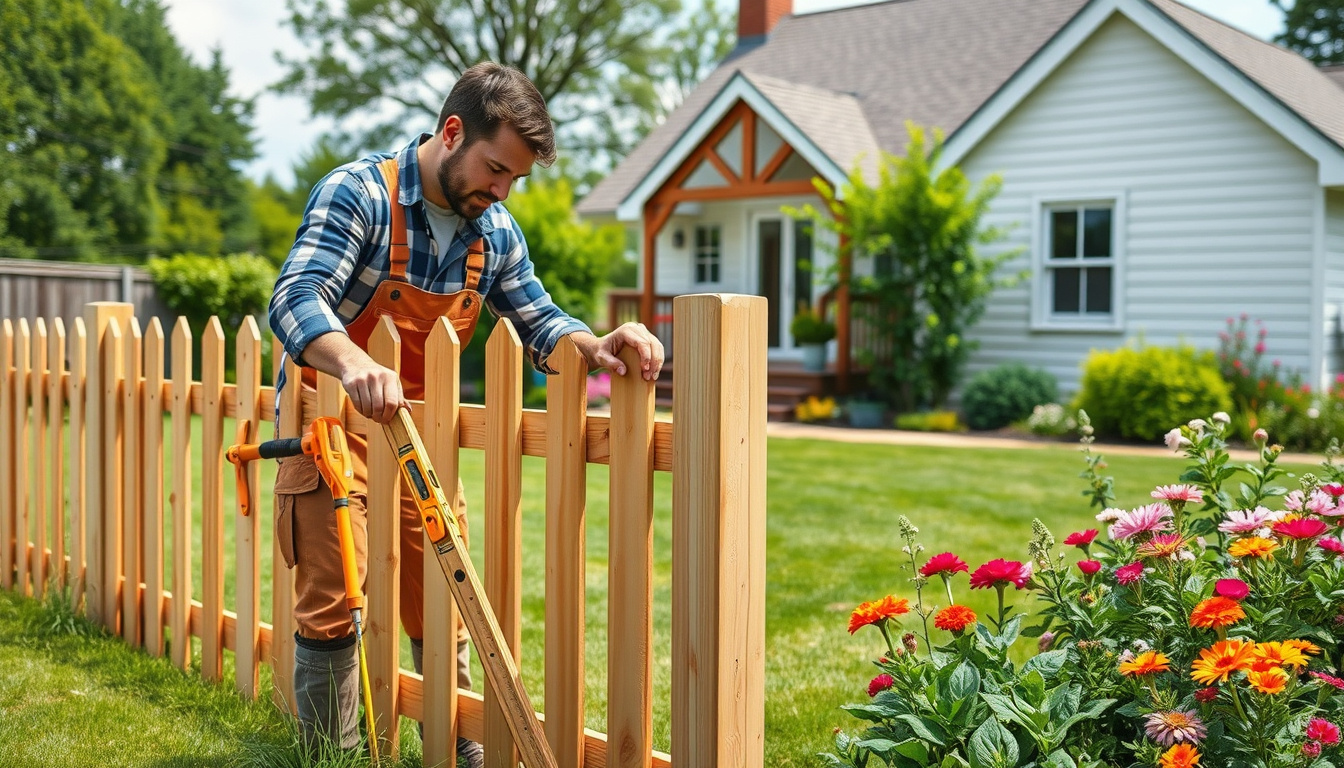
Installing a fence around your property is a valuable investment that not only enhances aesthetic appeal but also provides privacy, security, and a defined boundary for your yard. Whether you’re considering a DIY project or hiring professionals, understanding the fence installation process is crucial. This guide will equip you with everything you need to know about installing a fence, from planning and selecting materials to the final touches.
Why Install a Fence?
A fence serves multiple purposes, including:
- Enhancing Privacy: A well-constructed fence offers seclusion from neighbors and passersby.
- Increasing Security: Fences act as a barrier against intruders, keeping children and pets safe.
- Defining Boundaries: Establishing clear property lines with a fence can prevent disputes with neighbors.
- Boosting Curb Appeal: A stylish fence can significantly enhance the visual appeal of your property, increasing its market value.
Planning Your Fence Installation
1. Check Local Regulations
Before beginning your project, research local building codes and zoning laws regarding fence height, type, and permitted locations. Obtain necessary permits if required. Checking with your homeowners association (HOA) for additional rules is also advisable.
2. Define Your Needs
Consider what you want from your fence:
- Do you want a decorative fence for aesthetics or a solid privacy fence?
- Are there specific materials you prefer (e.g., wood, vinyl, metal)?
- Will you need an entrance gate?
3. Decide on a Design
Choose a style and material. Here are common options:
- Wood: Offers a traditional look and sufficient privacy but requires maintenance.
- Vinyl: Low maintenance and available in various styles; ideal for a modern look.
- Metal (Chain Link/Aluminum): Durable and less obtrusive; suitable for security without obstructing views.
- Composite: Combines recycled materials with wood fiber, offering durability with a wood-like appearance.
Preparing for Installation

4. Measure and Mark
Measure your yard and mark the area where the fence will go. Use stakes or spray paint to outline the path of your fence, ensuring to stay within your property lines.
5. Stake the Post Locations
Plan the placement of the posts, typically at intervals of 6-8 feet. Mark these points to ensure a straight alignment.
6. Call Utility Services
Before digging, contact local utility services to avoid damaging underground lines.
The Installation Process
7. Digging Post Holes
Use a post hole digger or auger to create holes for each fence post. The depth should be about one-third of the post height to ensure stability. If in a cold climate, ensure the holes extend below the frost line.
8. Setting the Posts
Place a few inches of gravel at the bottom of each hole for drainage. Position the post in the center, then pour concrete around it, ensuring it remains plumb. Allow the concrete to cure as per the manufacturer’s instructions.
9. Attaching Rails and Panels
Once the posts are secure, attach horizontal rails between them to support the fence panels. If you’re using pre-assembled panels, align them with the posts and secure them.
10. Adding Pickets
For picket fences, attach each picket to the rails, maintaining even spacing. Use spacers to ensure uniformity, and check plumbness with a level.
11. Final Touches
- Post Caps: Add caps to the tops of your fence posts for a polished look.
- Staining or Sealing: Protect wooden fences with weatherproof stain or sealant after installation to prolong their lifespan.
Maintenance Tips
To keep your fence looking its best:
- Regularly inspect for damage or wear.
- Clean with a wood cleaner as needed.
- Reapply sealants or stains every few years based on weather exposure.
Hiring a Professional
If DIY projects aren’t your forte, consider hiring professional installers. They can manage everything from permits to installation and ensure adherence to local building codes. Many retailers, like Lowe’s and Home Depot, offer installation services that come with warranties on labor and materials, providing peace of mind along with professional expertise.
Conclusion
Installing a fence can be a satisfying project that enhances your property’s functionality and appeal. By following this comprehensive guide, whether you choose to DIY or hire professionals, you’ll be well-equipped to create a secure and beautiful boundary that complements your home’s style. Always remember that thorough planning and understanding the installation process are key factors in a successful fence project.