In today’s ever-evolving world of architecture, luxury architectural design continues to push boundaries, blending innovation with elegance. This specialization elevates both residential and commercial spaces, creating environments that exude sophistication, comfort, and timeless beauty. If you are drawn to modern aesthetics that combine cutting-edge technology with artistic flair, understanding the latest trends in luxury architectural design is essential. From sustainable building practices to immersive outdoor spaces, the landscape of luxury architecture is transforming rapidly, offering new possibilities for discerning clients and designers alike.
The Evolution of Luxury Architectural Design
Luxury architectural design has historically been associated with grandeur, opulence, and meticulous craftsmanship. However, contemporary trends emphasize a harmonious balance between opulence and functionality, sustainability, and personalized storytelling within spaces. The modern luxury architectural approach reflects a shift towards more meaningful, environmentally conscious, and technologically integrated environments that cater to the lifestyle and aspirations of owners.
Cutting-Edge Trends Shaping Luxury Architectural Design
Here are some of the most prominent trends redefining luxury architectural design today:
1. Incorporation of Sustainable and Eco-Friendly Materials
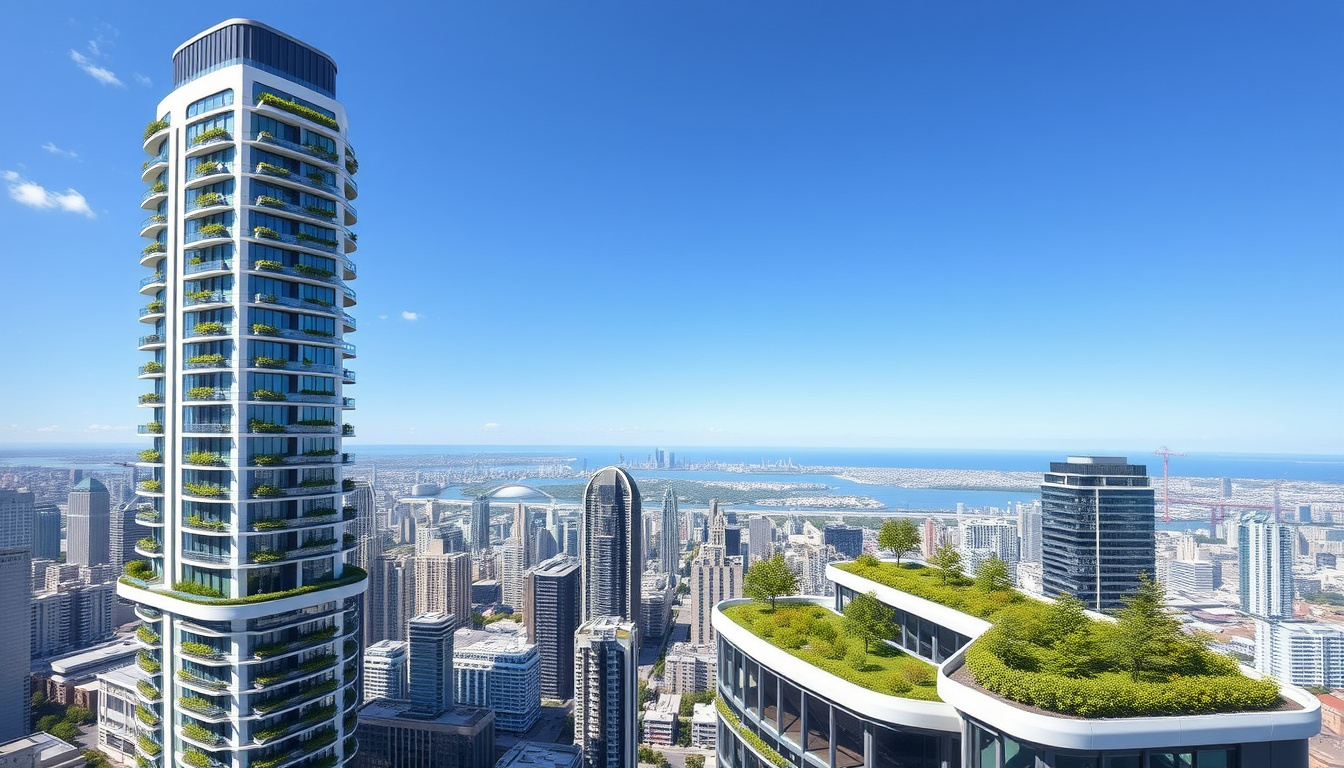
Sustainability has become a significant priority within luxury architecture. High-end clients now seek eco-conscious materials that reduce environmental impact without compromising style. Examples include recycled steel, reclaimed wood, and non-toxic finishes. Incorporating green roofs, solar panels disguised within elegant facades, and energy-efficient systems exemplify the merging of luxury with sustainability, aligning with the global shift towards more responsible construction.
2. Biophilic Design for Wellness and Connection with Nature
Biophilic design emphasizes the integration of natural elements—like plant life, natural light, and organic shapes—into architectural spaces. For luxury structures, this creates a seamless connection between indoor and outdoor environments, enhancing well-being, natural aesthetics, and tranquility. Floor-to-ceiling windows, indoor gardens, and water features are common elements that embody this trend.
3. Smart Home Technology and Intelligent Automation
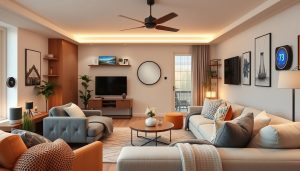
Luxury architectural spaces are increasingly outfitted with state-of-the-art smart home systems. Features such as automated lighting, climate control, security, and entertainment systems—controllable via smartphone or voice commands—are now standard in high-end homes. This trend offers unparalleled convenience, security, and energy efficiency.
4. Minimalist and Open-Concept Layouts
A hallmark of modern luxury architecture is the adoption of minimalist design principles—clean lines, uncluttered spaces, and elegant simplicity. Open-concept layouts maximize spatial flow, create a sense of grandeur, and facilitate social interaction. Innovative storage solutions ensure these expansive spaces remain functional and organized.
5. Customization and Personalization
Luxury architectural design emphasizes bespoke elements that reflect individual tastes, history, and lifestyle. From custom-made furniture and fixtures to personalized artwork and architectural details, every element is tailored, making each project truly unique.
6. Integration of Outdoor Living Spaces
In modern luxury architecture, outdoor spaces are treated as extensions of indoor areas. Expansive terraces, infinity pools, outdoor kitchens, and fire pits are designed with high-end finishes, creating seamless indoor-outdoor living areas perfect for entertaining and relaxation.
7. Use of Transparent and Reflective Materials
Glass, polished metals, and reflective surfaces are popular in luxury architectural design, creating dynamic visual effects. These materials foster natural light penetration, add a sense of openness, and elevate the aesthetic appeal of contemporary spaces.
Implementing Luxury Architectural Trends: Tips for Designers and Clients
For those interested in embracing these trends, here are some practical tips:
- Prioritize Sustainability: Choose eco-friendly materials and integrate renewable energy systems to align luxury with environmental responsibility.
- Focus on Wellness: Incorporate biophilic elements and natural light to promote mental and physical health.
- Leverage Technology: Invest in smart systems that enhance comfort, security, and energy efficiency.
- Customize with Purpose: Ensure each element serves both aesthetic and functional objectives, reflecting personal style.
- Maximize Outdoor Spaces: Design outdoor areas as luxurious retreats with high-end furnishings and landscape architecture.
Example of a Step-by-Step Approach:
- Define your vision—consider your lifestyle, aesthetic preferences, and sustainability priorities.
- Engage a design team experienced in luxury architectural trends.
- Select eco-friendly, high-quality materials that suit the project scope.
- Incorporate smart technology seamlessly within structural elements.
- Design outdoor living areas that extend your indoor environment.
- Focus on personalized details that make your space truly one-of-a-kind.
The Future of Luxury Architectural Design
The trajectory of luxury architectural design points toward increasingly personalized, sustainable, and technologically integrated environments. Innovations such as augmented reality for visualization, advanced building materials, and sustainable urban planning are poised to further revolutionize how we conceive luxurious spaces. As clients demand more meaningful and eco-conscious environments, architects will continue to explore new frontiers to combine aesthetics, function, and responsibility.
FAQs About Luxury Architectural Design
Q1: What defines luxury architectural design today?
Luxury architectural design today is characterized by bespoke craftsmanship, innovative use of materials, seamless integration of technology, sustainability, and personalized spaces that reflect the owner’s lifestyle and taste.
Q2: How can I incorporate sustainability into luxury architectural projects?
Incorporating sustainability involves selecting eco-friendly materials, utilizing energy-efficient systems, integrating renewable energy sources like solar panels, and designing with environmental impact in mind—creating spaces that are both luxurious and responsible (source).
Q3: What are the latest trends in luxury architectural outdoor spaces?
The latest trends include expansive outdoor living areas with high-end furnishings, infinity pools, outdoor kitchens, fire pits, and landscape designs that blend harmoniously with the building architecture to create luxurious retreats.
Conclusion: Embrace the Future of Luxury Architectural Design
Luxury architectural design is no longer solely about opulence; it is about creating meaningful, sustainable, and innovative environments that elevate daily living. Whether you are an architect, developer, or homeowner, staying informed about the latest trends equips you to craft spaces that are not only beautiful but also functional, responsible, and truly personalized. Now is the perfect time to reimagine your space with cutting-edge luxury architectural trends—transform your environment into a masterpiece of modern sophistication. Begin your journey today by working with seasoned professionals committed to bringing your vision to life, and experience the future of luxurious living at its finest.