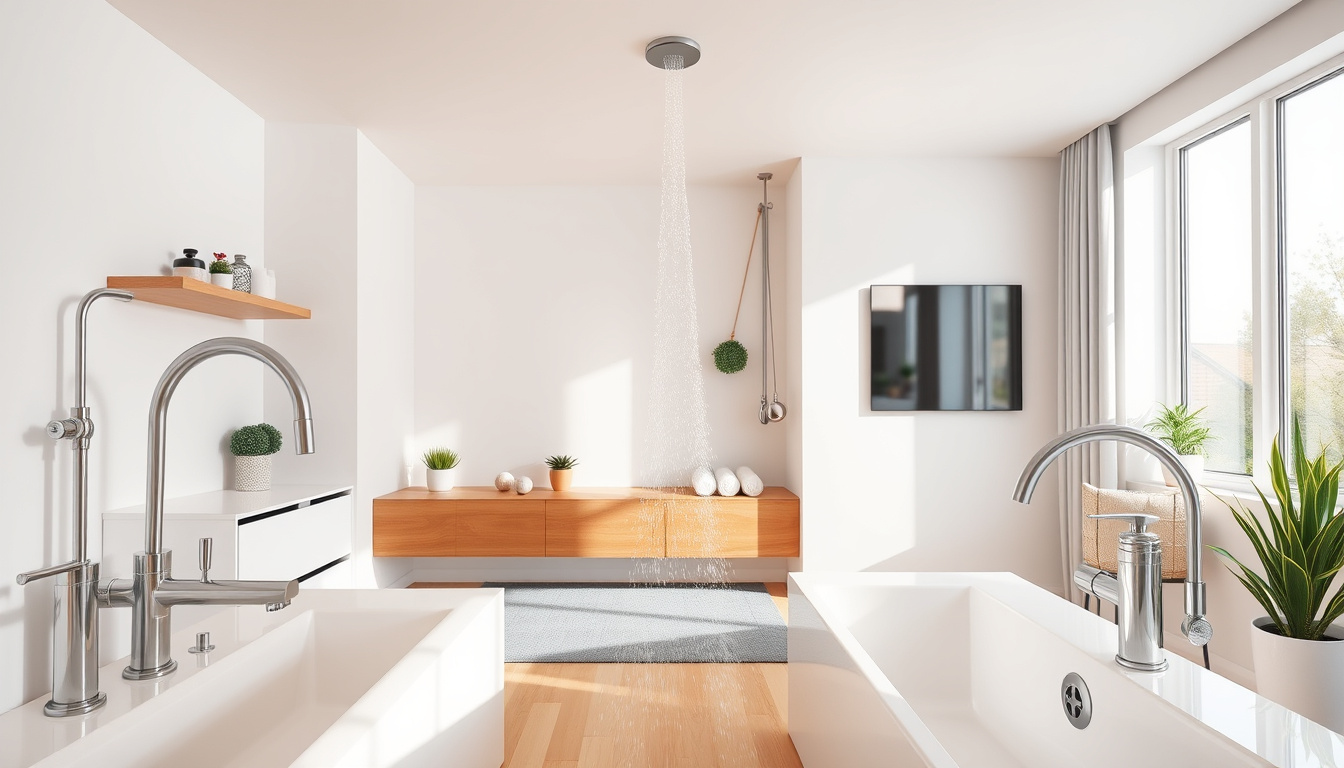
In today’s fast-paced world, plumbing updates are essential for ensuring both comfort and efficiency in your home. As systems age, they can become not only inefficient but also hazardous, potentially leading to costly repairs or health issues. This article outlines the most critical plumbing updates to consider in order to rejuvenate your home and enhance your living environment.
Why Update Your Plumbing?
Plumbing systems are vital to the comfort and safety of your home. As they age, issues such as leaks, low water pressure, and outdated materials can arise. Conducting plumbing updates not only aids in functional efficiency but also strengthens your home’s value and appeal. Here are the key indicators that it might be time for an update:
Signs You Need Plumbing Updates
-
Aging Pipes: Homes built before the 1980s may still have lead or galvanized steel pipes, both of which pose health risks and require replacement. It’s advisable to have any lead pipes replaced with safer materials like PVC or copper.
-
Water Quality Issues: If you notice brown or discolored water from your taps, it could be a sign of corrosion in your plumbing system. Regular inspections can identify and rectify these issues before they escalate.
-
Reduced Water Pressure: Diminished water flow can be indicative of clogs or pipe damage. Persistent low pressure warrants a professional evaluation to prevent further complications.
-
Leaks and Moisture: Visible signs of leakage or moisture around pipes, especially in older homes, can suggest underlying plumbing issues. Prompt attention can avert costly damage and mold growth.
-
Frequent Repairs: If you find yourself repeatedly calling for plumbing repairs, this is a strong signal that your system may need a comprehensive update or replacement.
Essential Plumbing Updates

When planning plumbing updates, here are several practical areas to focus on:
1. Re-Piping Your Home
If your home has old piping made from outdated materials, or if you’re experiencing frequent leaks, a complete re-piping may be necessary. New pipes made of modern, durable materials such as PVC or cross-linked polyethylene (PEX) can greatly enhance the reliability of your plumbing system.
2. Upgrade to Energy-Efficient Fixtures
Replacing old faucets, showerheads, and toilets with low-flow, energy-efficient models can significantly reduce water usage without sacrificing performance. Modern fixtures often provide better functionality and aesthetics, contributing to both comfort and water conservation.
3. Water Heater Replacement
If your water heater is over ten years old and struggling to keep up with demand, consider replacing it with a more efficient model. Tankless water heaters are a popular choice, providing endless hot water and reducing energy bills over time.
4. Sump Pump Installation or Replacement
If your home is prone to flooding, a sump pump can prevent water accumulation in the basement. Upgrading to a newer model ensures that your system functions effectively, especially during heavy rainfall or melting snow.
5. Outdoor Drainage Solutions
Improper drainage can lead to significant property damage. Assess your outdoor drains and consider upgrading to metal or high-capacity drainage systems to manage rainwater more effectively. This is particularly critical in areas prone to flooding.
The Importance of Routine Inspections
Regular plumbing inspections are essential in identifying and addressing potential issues before they become major problems. Scheduling annual inspections can help in:
- Detecting hidden leaks or pipe damage
- Ensuring that plumbing components are functioning efficiently
- Planning future upgrades and repairs based on the condition of your system
Conclusion
Updating your plumbing system is an investment in your home’s comfort and safety. By recognizing the signs that your plumbing needs attention and understanding the essential updates available, you can maintain an efficient, modern plumbing system that supports the lifestyle you desire. Whether you opt for a simple fixture upgrade or a complete re-piping, make sure to consult with plumbing professionals to ensure quality workmanship and materials. This proactive approach will not only enhance your living environment but also prevent future inconveniences and expenses.