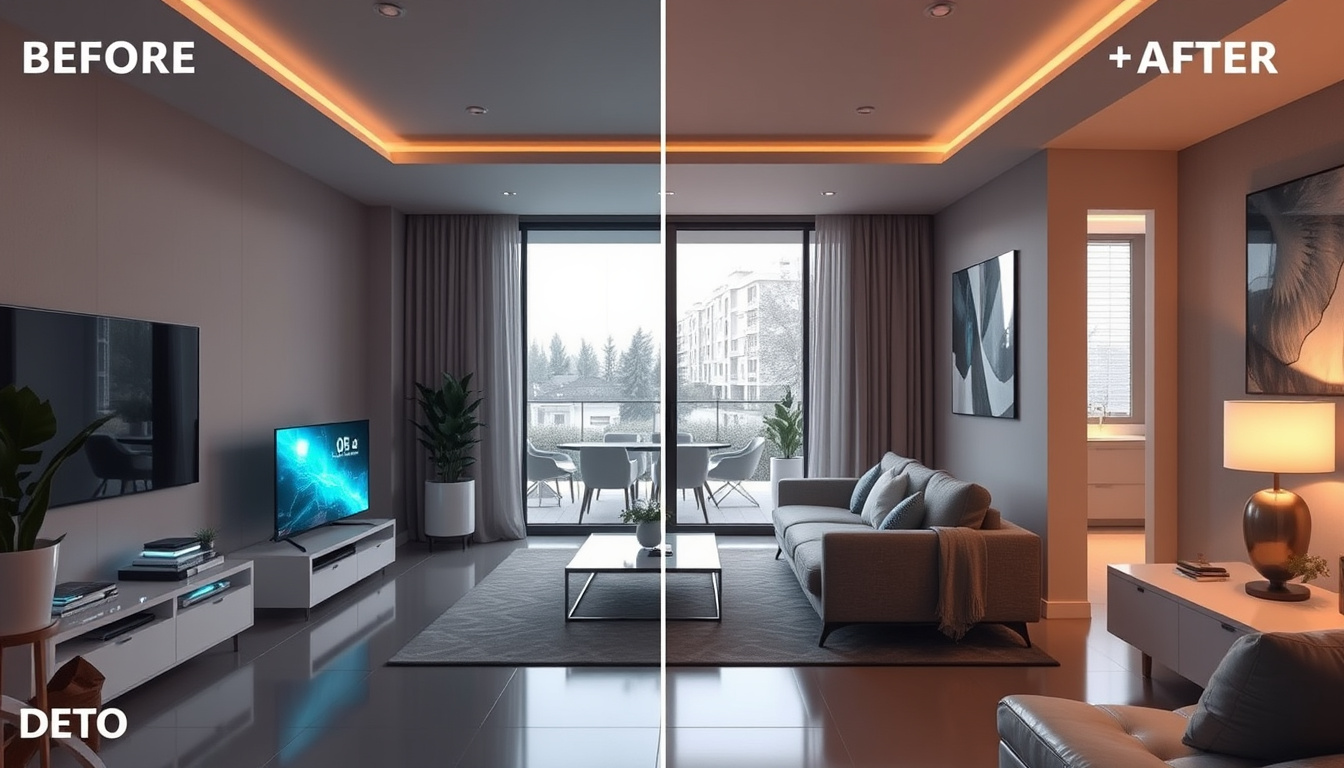
In today’s rapidly evolving tech landscape, smart home integration is no longer a luxury but an attainable way to enhance your living experience, boost energy efficiency, and increase property value. Whether you’re a new homeowner or a seasoned renovator in Scottsdale, Arizona, understanding the essentials of integrating smart technology into your home can seem overwhelming. This guide offers practical tips, expert insights, and realistic expectations to help you upgrade your living space with smart home integration that truly makes a difference.
Why Invest in Smart Home Integration?
Smart home integration refers to the seamless connection of various devices and systems—lighting, thermostats, security, entertainment, and more—into a centralized platform. This allows homeowners to control, automate, and optimize their home systems via smartphones, tablets, or voice commands.
Benefits of Smart Home Integration
- Enhanced convenience: Command multiple devices simultaneously with a single app or voice assistant.
- Increased energy efficiency: Automate lighting, HVAC systems, and appliances to reduce utility bills.
- Improved security: Monitor your home remotely with cameras, doorbell systems, and smart locks.
- Enhanced comfort: Customize your environment by adjusting temperature, lighting, or music on demand.
- Property value boost: Modern, integrated smart systems attract tech-savvy buyers—especially in the fast-growing Scottsdale market.
Planning Your Smart Home Integration Journey
Before diving into installations, careful planning ensures your project aligns with your lifestyle, budget, and home’s infrastructure. Here’s how to get started:
1. Assess Your Needs and Priorities
Ask yourself:
- What systems would benefit most from automation? (lighting, security, climate control)
- Which areas do you spend most time in? (living room, bedroom, outdoor spaces)
- What devices do you already own that can be integrated?

2. Set a Realistic Budget
Smart home systems can range from a few hundred dollars for basic setups to several thousand for full integration. Consider:
- Cost of hardware and installation
- Ongoing subscription fees for services
- Future expansion plans
3. Understand Compatibility and Ecosystems
Popular smart home platforms include Amazon Alexa, Google Assistant, and Apple HomeKit. Make sure all selected devices work within your preferred ecosystem to prevent compatibility issues.
4. Consult Local Experts
In Scottsdale, Arizona, working with professionals familiar with local building codes, climate considerations, and regional design styles ensures your smart home setup is both functional and aesthetically pleasing.
Key Areas for Smart Home Integration
Smart technology can be incorporated into nearly every aspect of your home. Here are the top areas to focus on:
Smart Lighting
Replace traditional switches with smart bulbs or switches that you can schedule or customize remotely. For outdoor spaces, consider weather-resistant smart fixtures.
Climate Control
Smart thermostats like Nest or Ecobee adjust heating and cooling based on your schedule, increasing comfort and saving energy—crucial for Scottsdale’s hot summers.
Security Systems
Integrate smart locks, doorbells, security cameras, and motion sensors to monitor your home remotely and enhance safety.
Entertainment and Connectivity
Streamline your media setup with smart TVs, speakers, and Wi-Fi extenders to ensure seamless connectivity throughout your home.
Practical Tips for a Smooth Implementation
Transitioning to smart home integration involves some technical considerations and decision-making. Here are expert tips to streamline your upgrade:
1. Prioritize Safety & Security
Ensure your smart security devices are robust, backed by reputable brands like Ring or SimpliSafe, to protect your home and loved ones effectively.
2. Invest in a Robust Hub or Controller
While many devices are "add-on," a central hub—such as Samsung SmartThings—can tie everything together for smooth operation.
3. Opt for Wireless Devices When Possible
Wireless options simplify installation, reduce mess, and allow easier upgrades in the future.
4. Test Compatibility Before Purchase
Use manufacturer compatibility checkers or consult with an installer to verify seamless integration.
5. Check Internet Connectivity
A strong, reliable Wi-Fi connection is critical. Consider upgrading your router or adding a mesh system to support multiple devices.
Cost and Time Expectations
Average Costs
- Basic smart lighting and thermostats: $500–$1,500
- Complete security and automation systems: $3,000–$10,000+
- Custom integration with professional help: varies based on scope
Timeline
- Simple setups: 1–2 days
- Full-home automation: 2–6 weeks, including planning, procurement, and installation
Potential Challenges
- Compatibility issues among devices
- Network congestion
- Unexpected electrical or infrastructure upgrades
Pro Tip: Always allow extra time for troubleshooting and adjustments, especially in older homes or complex systems.
Regional Considerations for Scottsdale, Arizona
Local climate impacts smart home choices:
- Temperature management: Smart thermostats can help mitigate Scottsdale’s high summer temps.
- Outdoor integration: Consider weather-resistant outdoor cameras, lighting, and irrigation controls.
- Permits & Regulations: Check with Scottsdale’s building department for any permit requirements when installing new wiring or structural modifications related to smart systems.
Product Recommendations & Material Comparisons
| Product Category | Top Brands/Models | Considerations |
|---|---|---|
| Smart Thermostats | Nest Learning Thermostat, Ecobee SmartThermostat | Easy installation, energy savings |
| Smart Security Cameras | Ring Video Doorbell, Arlo Pro Series | Field of view, storage options |
| Smart Lighting | Philips Hue, LIFX | Brightness, color options |
| Voice Assistants | Amazon Echo, Google Nest, Apple HomePod | Ecosystem compatibility |
Common Homeowner Concerns & How to Address Them
- Cost overruns: Work with licensed professionals to get accurate quotes and consider phased implementation.
- Security risks: Choose reputable brands with strong encryption, and update firmware regularly.
- Learning curve: Invest in user-friendly platforms and provide training or tutorials for your family.
Frequently Asked Questions (FAQs)
What is smart home integration?
Smart home integration involves connecting various home automation devices into a cohesive system that you can control centrally, often via smartphone apps or voice commands.
How much does a smart home integration project cost?
Costs vary widely depending on the scope—from a few hundred dollars for basic lighting upgrades to $10,000+ for comprehensive security, climate, and entertainment systems. It’s best to develop a detailed plan and get quotes from local professionals.
Can I upgrade my existing home to smart home integration?
Absolutely! Many smart devices are designed for retrofit installation, allowing you to upgrade without major renovations. A consultation with a home automation specialist can help identify the best solutions for your home’s infrastructure.
Final Thoughts: Take Action Today
Upgrading your living space with smart home integration not only enhances your daily life but also adds long-term value to your property. It’s a smart investment for Scottsdale homeowners seeking efficiency, security, and modern convenience.
Pro Tip: Start small—perhaps with a smart thermostat or lighting system—and expand gradually as you get familiar with the technology. Planning ahead ensures a smooth, cost-effective upgrade that fits your lifestyle.
Ready to transform your home? Contact our expert team today to explore personalized smart home solutions tailored to Scottsdale Arizona’s climate and styles. Let’s create a living space that’s smarter, safer, and more comfortable for years to come!