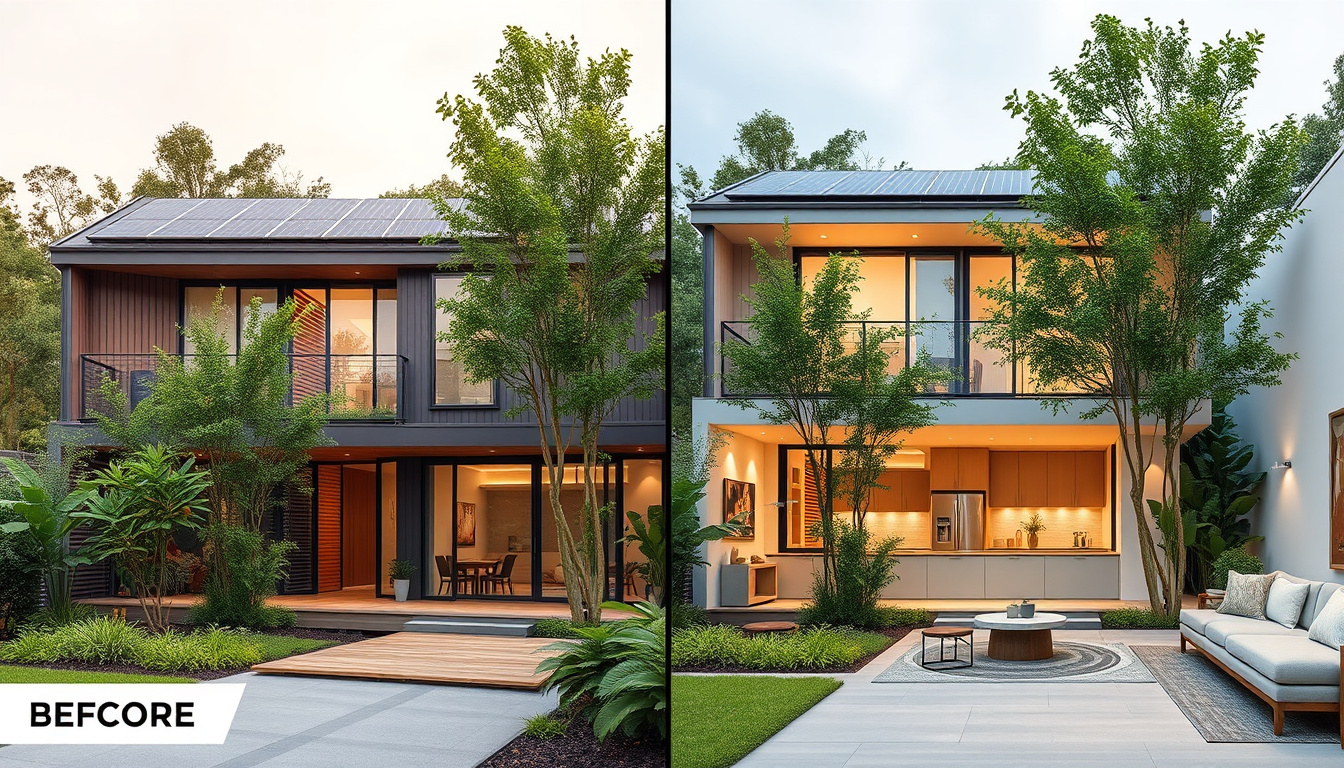
In today’s eco-conscious world, homeowners are increasingly seeking sustainable materials to create healthier, more energy-efficient, and environmentally friendly homes. Whether you’re planning a full-scale renovation or a simple upgrade, incorporating sustainable materials into your project can make a significant difference—reducing your carbon footprint, lowering utility bills, and enhancing indoor air quality. If you’re in Scottsdale, Arizona, or anywhere else, understanding the potential of sustainable materials can help you make informed decisions that align with your values and lifestyle.
This comprehensive guide will explore the benefits of sustainable materials, practical ideas for incorporating them into your renovation, expert tips, and realistic expectations about costs and timelines. Let’s dive into how you can transform your home with eco-friendly renovation ideas that are both stylish and sustainable.
Why Choose Sustainable Materials for Your Home Renovation?
Choosing sustainable materials is about more than just being environmentally friendly; it also promotes healthier living environments, reduces long-term costs, and supports responsible manufacturing practices. Here are some compelling reasons to prioritize sustainable materials in your next renovation project:
- Environmental Impact: Eco-friendly materials have lower embodied energy, produce less waste, and often come from renewable sources.
- Health Benefits: Many sustainable options are non-toxic and improve indoor air quality by reducing Volatile Organic Compounds (VOCs).
- Cost Savings: Although some sustainable products have higher upfront costs, they often result in savings through increased efficiency and durability.
- Aesthetic Appeal: Modern sustainable materials come in a variety of styles and finishes, allowing you to create a customized look.
Popular Sustainable Materials for Home Renovations
1. Reclaimed and Recycled Wood
Reclaimed wood is harvested from old barns, factories, or existing structures, giving it a second life. It’s highly durable, adds rustic charm, and reduces deforestation. It’s ideal for flooring, accent walls, or custom furniture.
2. Bamboo
Bamboo grows rapidly—up to 3 feet per day—and regenerates quickly, making it a highly renewable resource. It’s a versatile material that works well for flooring, cabinetry, and even countertops when properly sealed.
3. Low-VOC Paints and Finishes
Traditional paints release VOCs that can harm indoor air quality. Opt for low- or zero-VOC paints to maintain a healthier indoor environment and reduce indoor air pollution.
4. Cork
Cork is harvested from the bark of cork oak trees without harming them, making it a sustainable flooring and wall covering option. It’s soft underfoot, provides excellent insulation, and has natural antimicrobial properties.
5. Recycled Metal and Glass
Using recycled steel, aluminum, or glass can reduce waste and energy consumption. Recycled glass tiles or metal fixtures add a modern touch to kitchens and bathrooms while demonstrating eco-conscious choices.
6. Cork and Linoleum
Both are natural, biodegradable flooring options. Linoleum, made from linseed oil, cork, and wood flour, is durable and available in many colors and patterns.
7. Eco-Friendly Insulation
Materials like cellulose, sheep’s wool, and recycled denim provide excellent thermal performance while being non-toxic and sustainable.
Practical Ideas for Implementing Sustainable Materials in Your Renovation
A. Kitchen Updates
- Install countertops made from recycled glass or reclaimed wood.
- Choose cabinetry with formaldehyde-free plywood or bamboo.
- Use low-VOC paints on walls and ceiling for a healthier environment.
B. Bathroom Renovation
- Use cork or natural stone tiles for flooring.
- Incorporate reclaimed or recycled glass tiles for shower walls.
- Select water-saving fixtures to reduce water consumption.
C. Flooring Choices
- Opt for reclaimed wood, bamboo, cork, or linoleum for durable, eco-friendly flooring solutions.
- Consider concrete with natural stains or sustainable sealants for a modern twist.
D. Living and Common Areas
- Incorporate reclaimed furniture pieces or custom-built items from sustainable materials.
- Use natural fiber area rugs made from wool or jute.
E. Exterior and Landscaping
- Choose sustainably sourced fencing, siding, and decking materials.
- Implement rain gardens or native plant landscaping to reduce water use and promote local biodiversity.
Cost, Timeline, and Contractor Considerations
Budget
Sustainable materials can sometimes cost more upfront, but they often pay off in the long run through energy savings and durability. For instance, bamboo flooring might be slightly more expensive than standard oak but offers quick growth and renewability. Recycled metal fixtures can be comparable in price to traditional options, depending on the exact product.
Timeline
Incorporating eco-friendly materials may extend project timelines slightly due to sourcing specialty products or working with specific installers. However, working with an experienced contractor familiar with sustainable practices can streamline this process.
Hiring the Right Contractor
When choosing a contractor for your sustainable renovation, prioritize those with:
- Experience in eco-friendly building practices
- Knowledge of sustainable materials
- Proper certifications (LEED, Green Certified, etc.)
- Good references and portfolio of similar projects
Expert Tips for a Successful Sustainable Renovation
- Plan Early: Integrate sustainable choices into your design phase to optimize material selection and avoid costly changes later.
- Prioritize Energy Efficiency: Combine sustainable materials with energy-efficient appliances, insulation, and lighting to maximize benefits.
- Check Certifications: Look for products with credible eco-labels (such as FSC for wood, Energy Star for appliances).
- Balance Aesthetics and Function: Ensure that eco-friendly choices align with your style and functional needs.
- Factor in Local Climate: In Scottsdale, where heat is a concern, choose sustainable materials that contribute to cooling and insulation.
Local Considerations for Scottsdale, AZ
In Scottsdale, sustainable renovations benefit from the region’s abundant sunshine and dry climate:
- Use high-performance insulation and reflective roofing materials to combat heat gain.
- Select drought-resistant native plants for landscaping.
- Ensure permits and regulations align with local sustainability initiatives.
Consult local contractors who understand regional requirements, climate considerations, and sustainable building practices to ensure your project’s success.
Frequently Asked Questions About Sustainable Materials
Q1: What are the best sustainable materials for outdoor decking in Scottsdale?
A: Reclaimed wood or composite decking with recycled content are excellent options. Additionally, look for materials with high UV resistance and low maintenance properties suited for the desert climate.
Q2: Are sustainable materials more expensive than traditional options?
A: Initially, some sustainable materials can be more costly. However, they often lead to savings via energy efficiency, durability, and lower maintenance. Over time, they can be more economical.
Q3: How do I ensure my renovation uses truly sustainable materials?
A: Work with reputable suppliers and contractors who specify eco-certifications and transparent sourcing practices. Also, research products and request documentation of their environmental benefits.
Pro Tip | Insider Advice for Eco-Friendly Renovations
Choose local and regional sustainable materials whenever possible—this reduces transportation emissions and supports local economies. For Scottsdale residents, consider sourcing native stone or native-plant-based landscaping to enhance regional sustainability.
Ready to Start Your Eco-Conscious Home Transformation?
Your home is your sanctuary—and making it eco-friendly enhances its beauty, health, and value. Now that you understand the myriad of sustainable materials available, it’s time to plan your renovation project with confidence. Whether you’re considering a kitchen upgrade, bathroom remodel, or a full home overhaul, incorporating eco-friendly materials can make a profound impact.
Take the first step today: Contact our expert team for a personalized consultation, and let us help you design a sustainable home renovation tailored to your style and the unique climate of Scottsdale, Arizona. Together, we can create a greener, healthier, and more beautiful living space for generations to come.
References:
- U.S. Green Building Council. LEED Certification
- Houzz. Eco-friendly Home Renovation Tips
- Home Innovation Research Labs. Sustainable Building Materials
Embark on your journey toward sustainable living—your home (and the planet) will thank you!