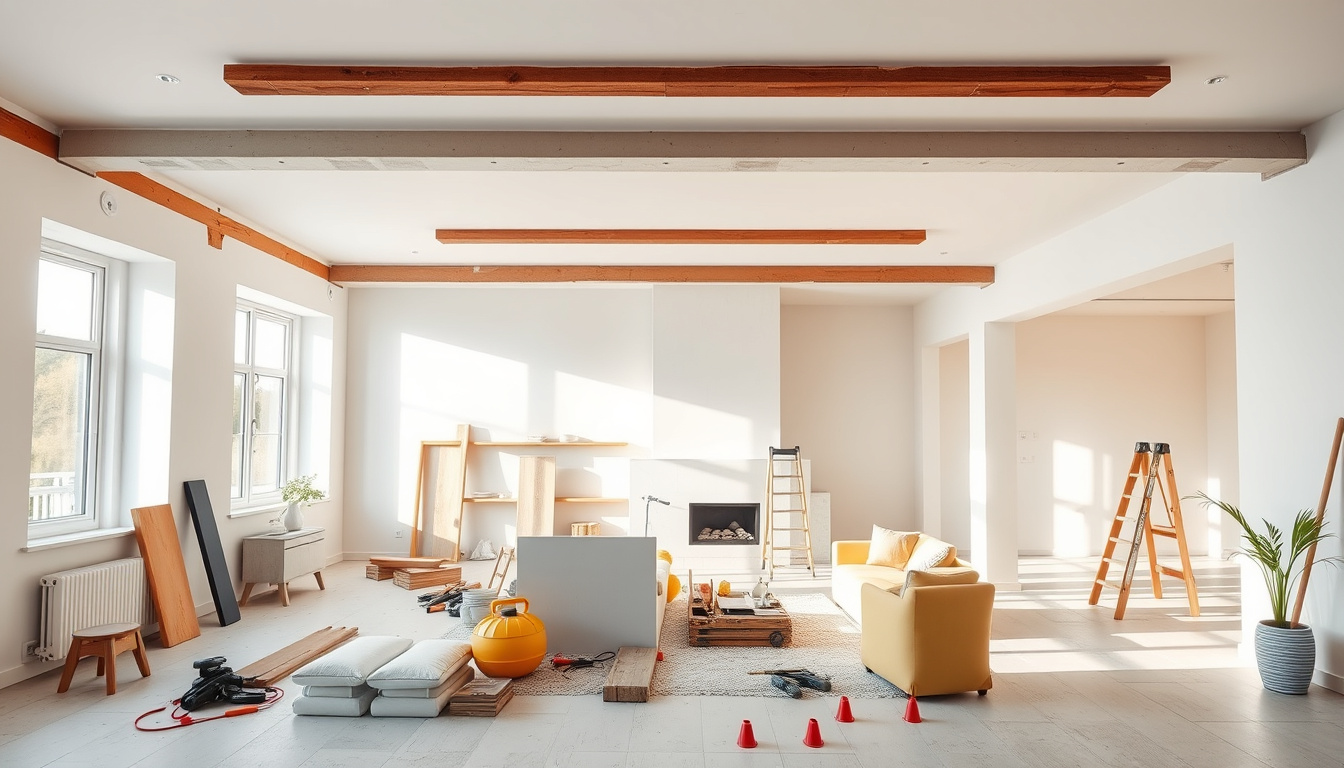
Removing walls can be a transformative process when it comes to enhancing your living space. Whether you’re looking to create an open floor plan or just want more functional areas within your home, understanding the intricacies of wall removal is crucial. This guide will provide you with essential insights into the wall removal process, including how to identify load-bearing walls, safety precautions, preparation steps, and when to consult professionals.

Understanding Wall Types
The first step in wall removal is determining the type of wall you’re dealing with: load-bearing or non-load-bearing. A load-bearing wall is integral to your home’s structural integrity, supporting the weight of the roof and upper stories. In contrast, non-load-bearing walls merely serve as dividers and can be removed more easily without compromising structural safety.
Identifying Load-Bearing Walls
- Blueprints: If you have blueprints of your home, they will indicate which walls are load-bearing.
- Location Matters: Walls that run perpendicular to the floor joists are often load-bearing, while those that run parallel typically aren’t.
- Consultation: When in doubt, consult with a structural engineer or a qualified contractor.
The Removal Process
Once you’ve established that the wall is non-load-bearing, you can proceed with removal. However, the project is not simply about knocking down drywall; it involves several preparatory steps and considerations.
Preparation Steps:
-
Clear the Area: Remove any furniture or decor near the wall.
-
Disconnect Utilities: Ensure that any electrical wiring, plumbing, or HVAC components within the wall are dealt with appropriately. This may involve:
- Turning off power to the area.
- Consulting with electricians or plumbers to reroute utilities safely.
-
Plan for Cleanup: Demolition can create a significant amount of debris. Have a plan for how you will dispose of this material—consider renting a dumpster or hiring a junk removal service.
Necessary Tools and Safety Gear:
To safely remove a wall, you’ll need the following tools and safety equipment:
- Tools: Reciprocating saw, hammer, pry bar, drill, utility knife, and a shop vacuum.
- Safety Gear: Dust mask, gloves, safety goggles, and sturdy shoes to protect against debris.
The Demolition
Step-by-Step Process:
- Prepare for Dust: Cover floors and seal off the work area with plastic sheeting to control dust spread.
- Create Access Points: Punch or drill holes in the drywall to start your demolition process.
- Remove Wall Sections: Cut between studs using a reciprocating saw, making sure to remove sections that can be handled easily.
- Cleanup: As you go, keep the area clean to avoid accidents and make final cleanup easier. Use a shop vacuum to handle dust and debris.
When to Call in Professionals
While many aspects of wall removal can be handled by a determined DIYer, there are circumstances where professional assistance is necessary, especially for:
- Load-Bearing Walls: If the wall is supporting weight, you’ll need professional engineering services to ensure that new support structures are safely installed.
- Complex Utility Rerouting: If there are extensive electrical or plumbing systems involved, it is advisable to hire licensed professionals who can handle potential hazards and ensure code compliance.
Additional Considerations
- Permits and Codes: Depending on your local building regulations, you may need a permit for wall removal. Always check local codes and regulations before proceeding.
- Interior Finishing: Once the wall is removed, think about flooring, wall finishes, and any necessary repairs to adjacent surfaces.
Conclusion
Removing a wall can significantly enhance your home’s functionality and aesthetics. By understanding what type of wall you’re dealing with, properly preparing for the job, and knowing when to enlist professional help, you can successfully transform your space. Approach this renovation task with care, from planning to execution, to ensure a successful home improvement project.