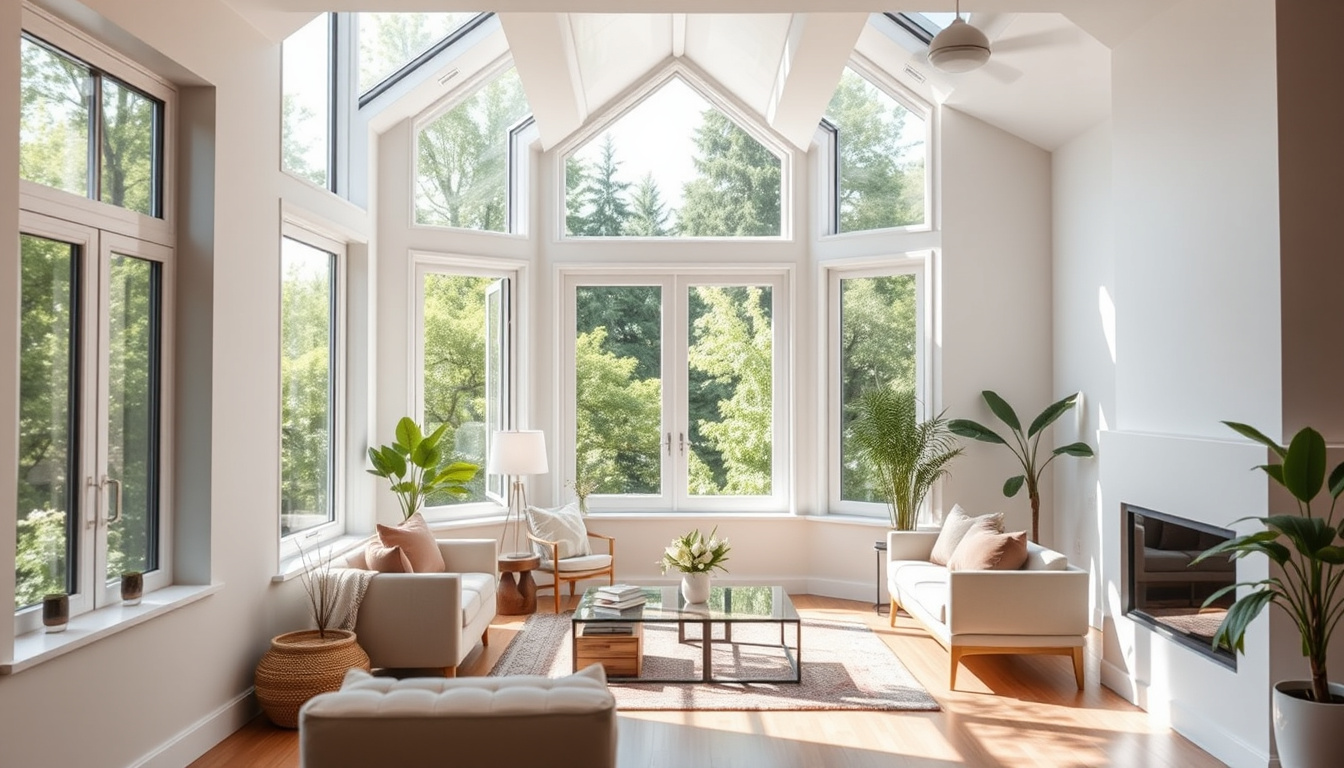
Replacing windows in your home can significantly enhance not only the aesthetics but also the functionality and energy efficiency of your space. This guide aims to provide a comprehensive overview of what to consider during a window replacement project, including types of windows, signs that replacement is needed, and the process involved.
Why Consider Window Replacement?
Windows are critical components of any home, affecting energy efficiency, comfort, noise levels, and curb appeal. Here are some key reasons why it may be time to replace your windows:
- Energy Efficiency: Aging or poorly insulated windows can lead to higher energy bills. Modern windows are designed with energy-efficient materials and technologies, such as Low-E coatings and argon gas filling, which help maintain indoor temperatures more effectively.
- Aesthetic Upgrade: Whether you’re looking to enhance your home’s curb appeal or completely renovate its look, new windows can transform your property. Various styles, colors, and finishes can suit any architectural design.
- Functionality: If your windows are difficult to open or close, or if they show signs of damage like cracks or warping, it can compromise safety and accessibility. New windows will operate smoothly and provide security.
- Noise Reduction: Modern windows often feature advanced sound insulation, which can minimize the intrusive sounds from outside, providing a more peaceful indoor environment.
Types of Replacement Windows

When replacing windows, homeowners can choose from a variety of styles, including:
- Double-Hung Windows: Classic design with two operable sashes that allow for versatile ventilation.
- Sliding Windows: A contemporary option that slides horizontally, ideal for areas with limited space.
- Casement Windows: Hinged at the side, these open outward to provide excellent ventilation and unobstructed views.
- Picture Windows: Fixed units that don’t open, designed to showcase the outdoor scenery.
- Bay and Bow Windows: Multi-faceted windows that extend out from the home, adding depth and extra space.
Material Choices
Window frames come in several materials, each offering unique benefits:
- Vinyl: Low maintenance and energy-efficient, vinyl windows are popular for their durability and affordability.
- Wood: Offers a classic look and excellent insulation but requires more upkeep, including painting and staining.
- Aluminum: Known for their strength and lightweight properties, these are often used in commercial buildings.
- Fiberglass: A high-performance option that withstands extreme weather conditions without warping or cracking.
Recognizing the Signs for Replacement
Before investing in new windows, you should assess whether your current ones need replacement. Common signs include:
- Drafts and Cold Spots: Noticeable drafts can indicate poor insulation or seal failure.
- Condensation Between Panes: This suggests a failed seal, which can decrease energy efficiency.
- Visible Damage: Cracks, rot, or corrosion greatly compromise window integrity.
- Difficult Operation: Windows that stick or are hard to open and close may not function correctly anymore.
The Window Replacement Process
Understanding the window replacement process can help homeowners feel more prepared. Here’s a typical workflow:
- Consultation and Measurement: Begin with a professional consultation where specialists will measure your existing window openings and discuss your aesthetic preferences and budget.
- Choosing Your Windows: Select windows that fit your style, function, and energy efficiency needs. Be prepared to review samples of different materials and styles.
- Quotation and Planning: After deciding on window types, a detailed quote will be provided. This includes product and labor costs. Schedule a convenient timeframe for installation.
- Installation Day: On the installation day, professionals will remove old windows, ensuring proper disposal, then carefully install the new units, sealing and caulking them as needed.
- Final Inspection: Post-installation, your installer will walk you through the functions of your new windows and provide guidance on proper maintenance.
Conclusion
Investing in window replacement can significantly improve your home’s energy efficiency, aesthetic appeal, and overall comfort. By considering the types, materials, and processes involved, you can make an informed decision that enhances your living space for years to come. With numerous styles and options available, now is the perfect time to explore how new windows can transform your home into a more beautiful and efficient environment.